
MEDICINE CABINET GUIDES
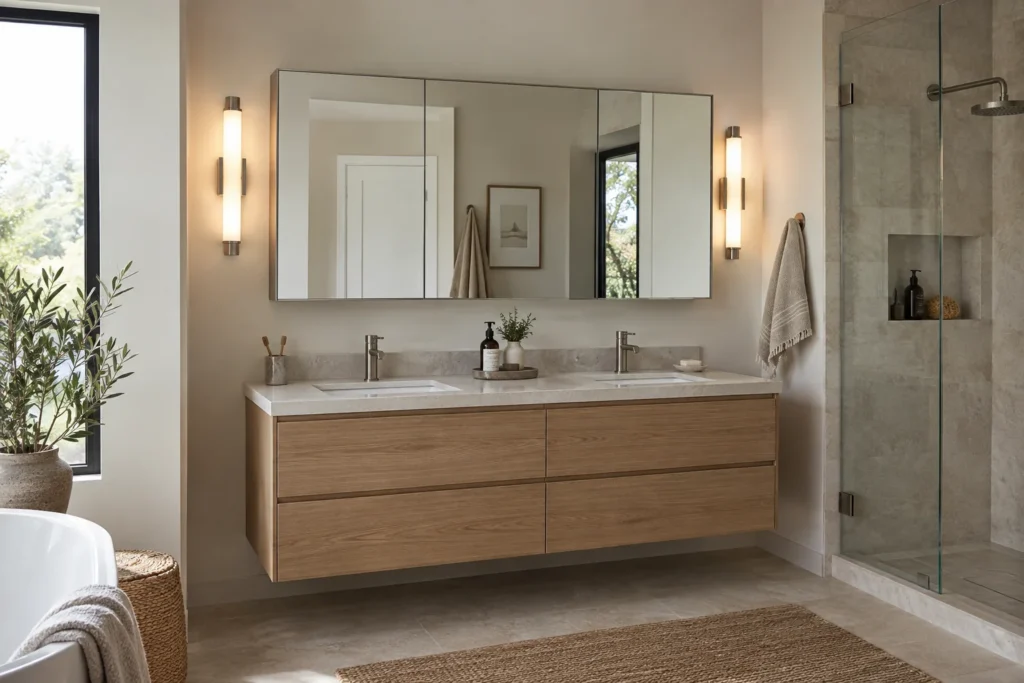
Standard Medicine Cabinet Sizes
Overall dimensions, vanity fit and rough-opening checks. Know what to measure before choosing your cabinet.

FEATURED READING
MEDICINE CABINET GUIDES
Overall dimensions, vanity fit and rough-opening checks. Know what to measure before choosing your cabinet.
KNOWLEDGE, MADE PRACTICAL
MIRROR SIZING & PLACEMENT
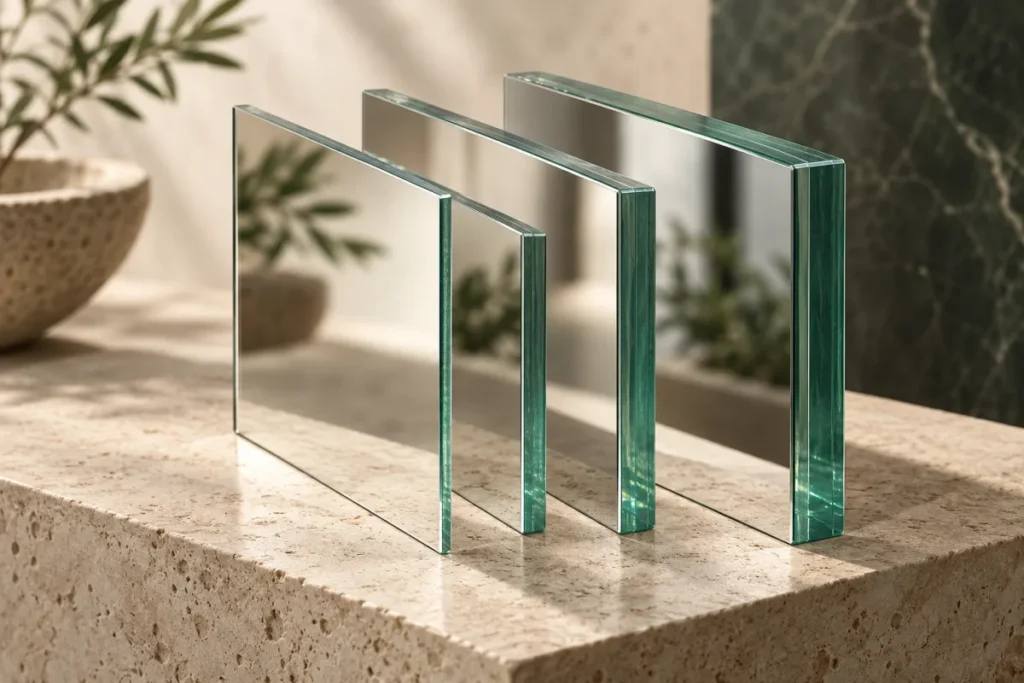
Common mirror glass thicknesses are 3mm, 4mm, 5mm and 6mm. For bathroom mirrors, start by comparing 4mm and 5mm. Smaller, well-supported panels may use 3mm; larger wall panels and selected frameless designs may warrant 6mm. There is no single standard thickness for every mirror. Choose against the panel dimensions, support, mounting system and complete product weight.

MIRROR SIZING & PLACEMENT
Some feng shui traditions discourage mirrors facing the bed; that is a cultural view, not proof of harm. In practice, check whether the mirror reflects unwanted light or makes you uncomfortable. If it does not, you can leave it in place. If it does, try a small adjustment that keeps the room useful for sleeping and getting dressed.
GENERAL GUIDES
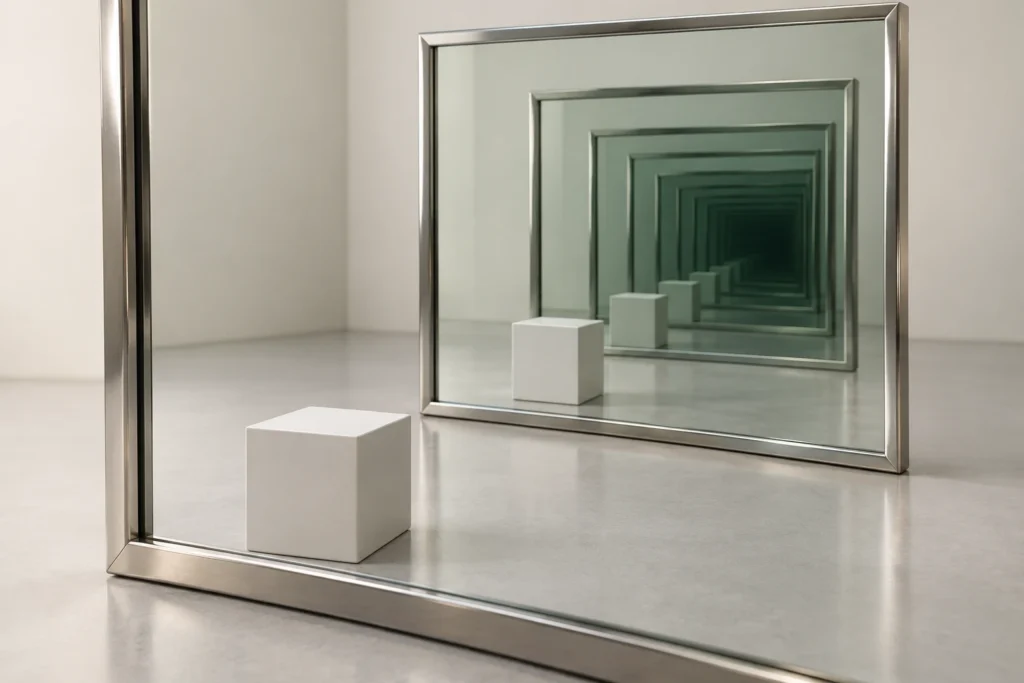
An ordinary glass mirror can be slightly green, though it usually looks silver and reflects the colors around it. The glass and reflective coating introduce a small color bias, most noticeable at an exposed edge or in repeated reflections. Here is why that happens—and how to decide whether the tint matters when choosing a mirror.
GENERAL GUIDES
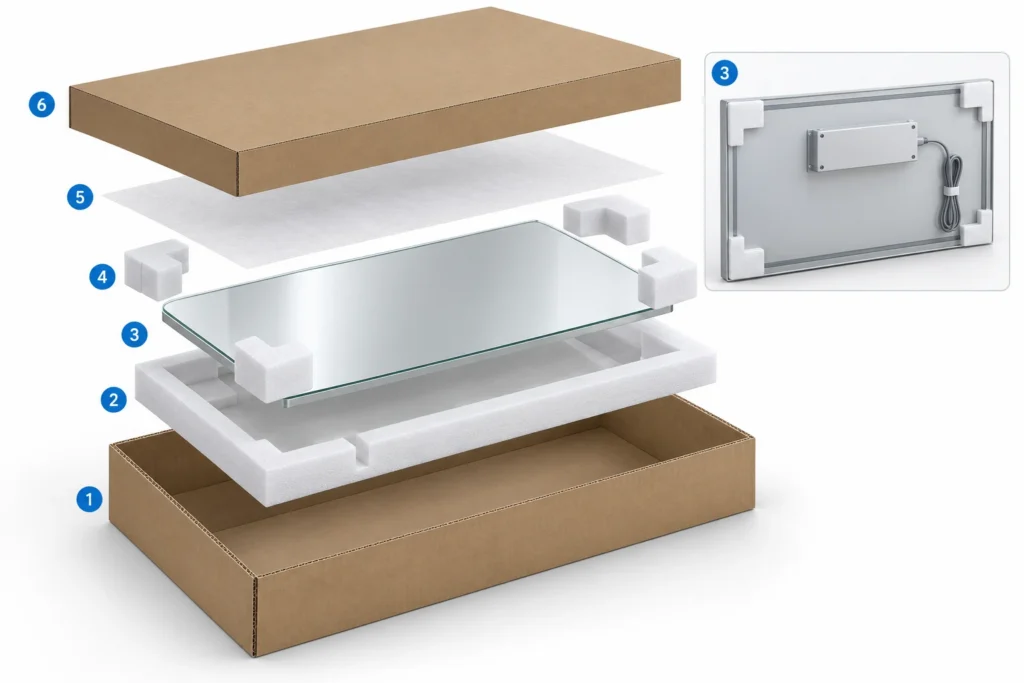
Mirrors shipped by sea need protection for the glass, edges, frame and electrical components through handling, storage and container movement. The right pack depends on the finished product, gross weight, route and receiving equipment. This guide helps buyers compare packaging methods, confirm materials, review damage risks and inspect the actual shipment before release. Use the checklist alongside an approved packing specification and loading plan.
MEDICINE CABINET GUIDES
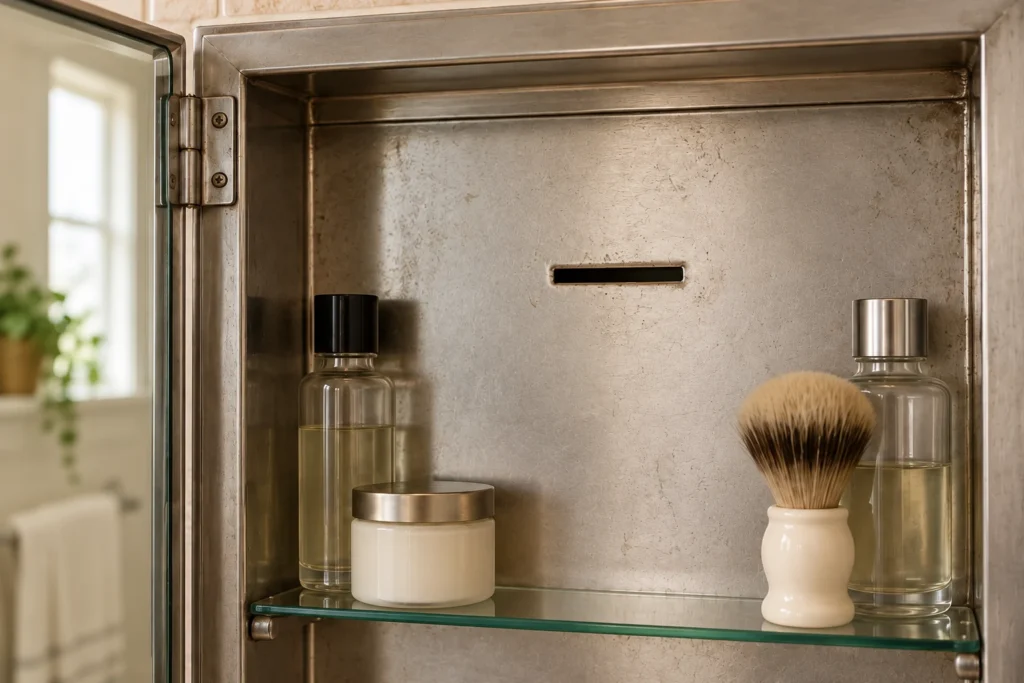
A medicine cabinet razor blade slot is a narrow opening used to discard worn safety razor blades. In many older recessed installations, blades passed through it into a wall cavity, where they could collect out of sight. Repeated openings along the cabinet sides usually support shelves instead. Before using an unidentified slot or replacing the cabinet, confirm the feature and tell the installer about any possible hidden blades.
MEDICINE CABINET GUIDES
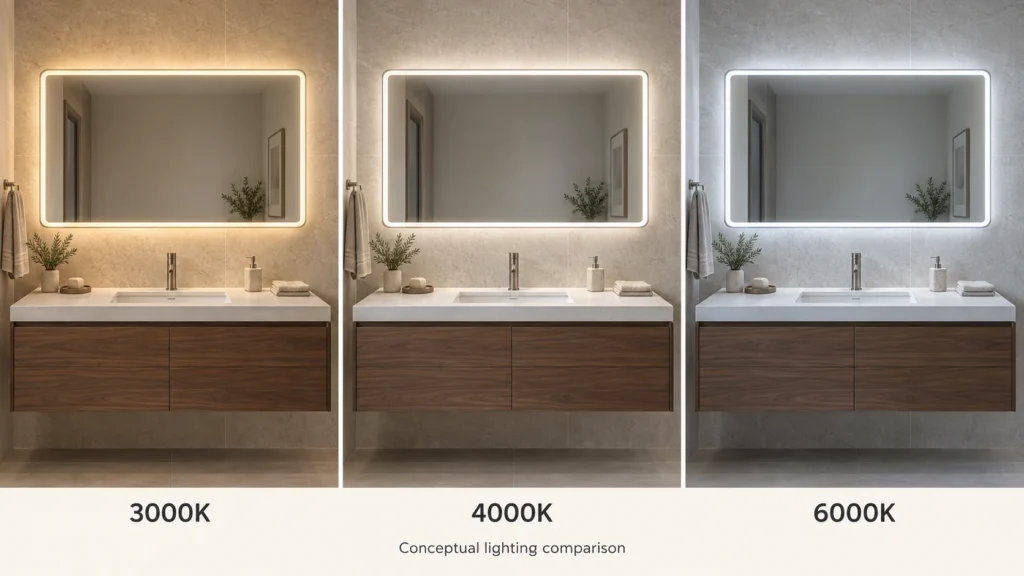
For everyday grooming, 4000K is a practical starting point for an LED bathroom mirror. Choose 3000K for a warmer appearance, or compare 5000K–6000K if you prefer cooler white light. Adjustable CCT can accommodate different preferences. The best choice combines a light color you like with useful facial illumination and good color rendering; a higher Kelvin number alone does not establish either.
GENERAL GUIDES
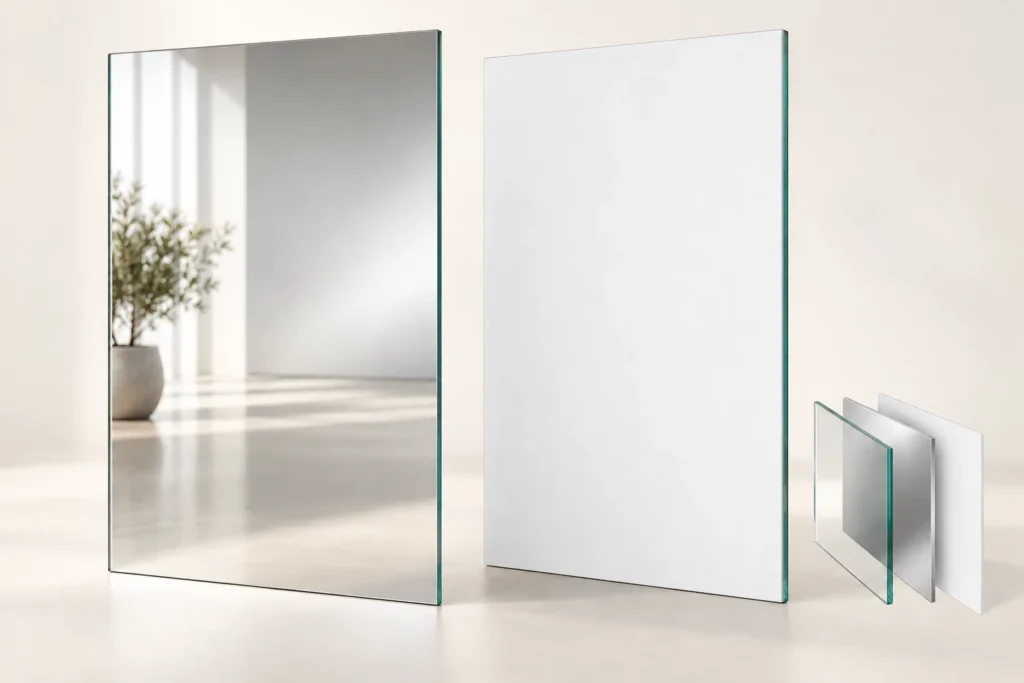
Mirror safety backing is a permanent film applied to the rear of a mirror to help hold glass fragments together if the mirror breaks. It does not make the mirror unbreakable or automatically certify an installation. For a commercial project, specify the complete mirror construction, mounting system and applicable test evidence—not simply a request for “safety film.”
GENERAL GUIDES
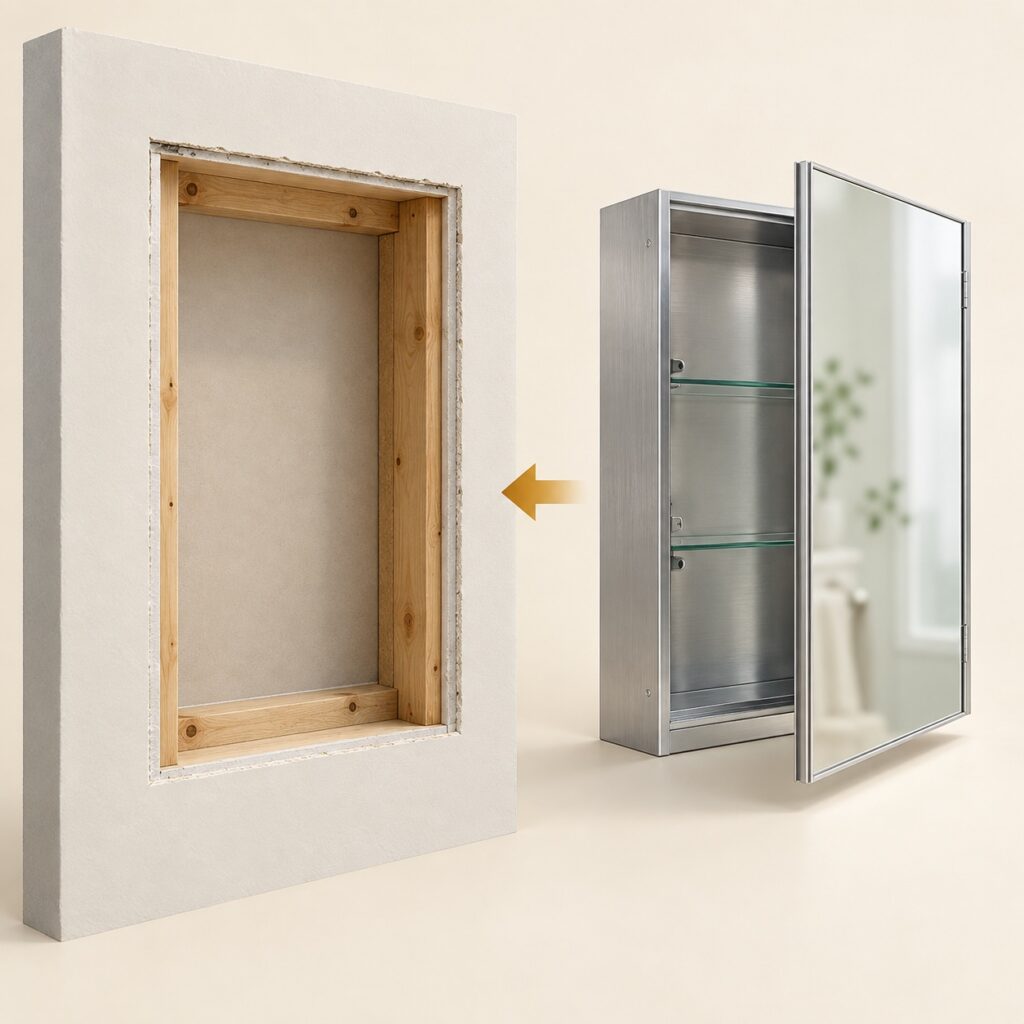
Replacing a recessed medicine cabinet starts with checking the wall—not matching the old mirror size. Follow these 10 steps to remove the old unit, measure the opening, and check the new cabinet before installation. You’ll also learn what to do when the replacement is smaller, larger, or too deep.
MEDICINE CABINET GUIDES
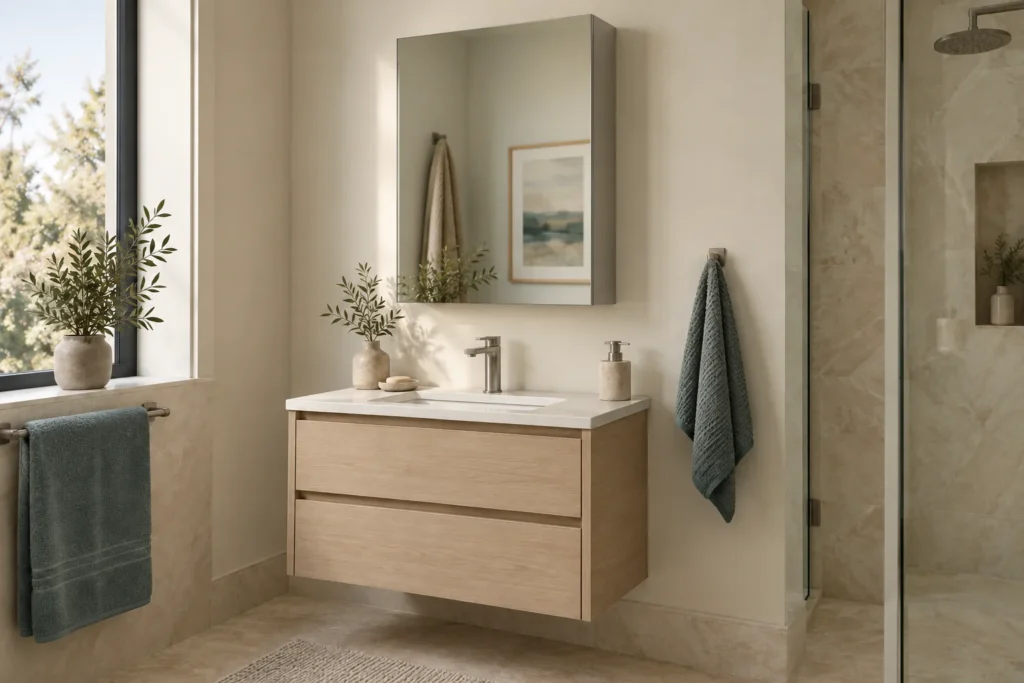
Find the right medicine cabinet for a 24-inch vanity. Compare 15, 18, 20 and 24-inch widths, cabinet heights, clearances and recessed opening sizes.
GENERAL GUIDES
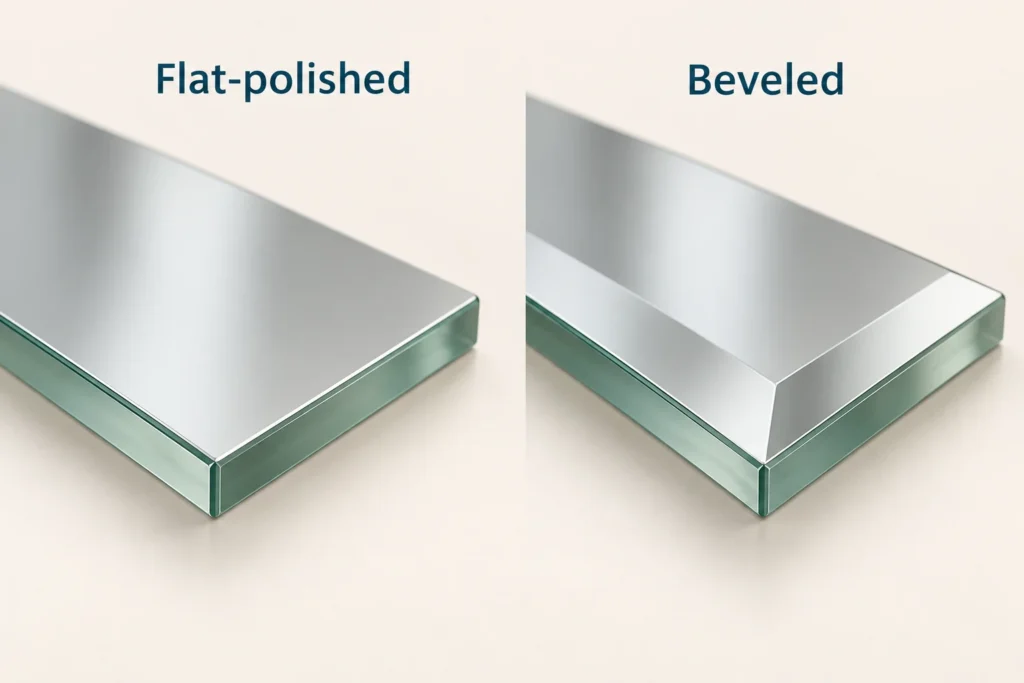
A beveled mirror has a polished, sloping band around its front edge. Compare edge finishes, widths and project specifications.
MEDICINE CABINET GUIDES
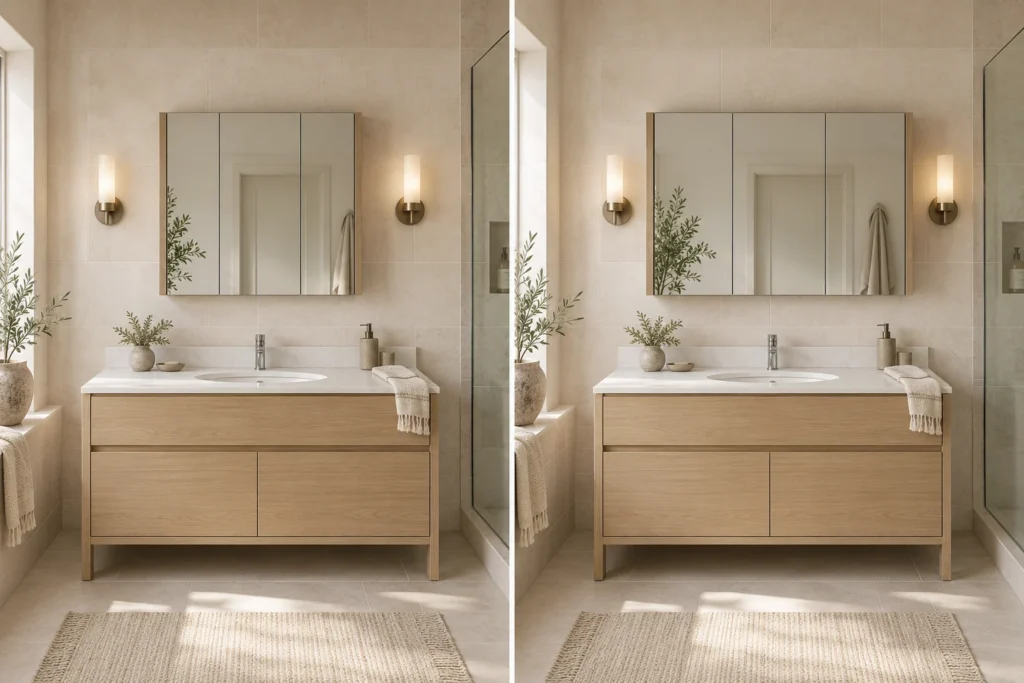
Quick answer: For a centered single-sink 48-inch vanity, compare medicine cabinets with 36- or 40-inch-wide faces. When centered, they leave 6 or 4 inches of visual space per side. Check basin alignment, wall space, lights, door swing, and mounting; these insets are not installation clearances.
MEDICINE CABINET GUIDES
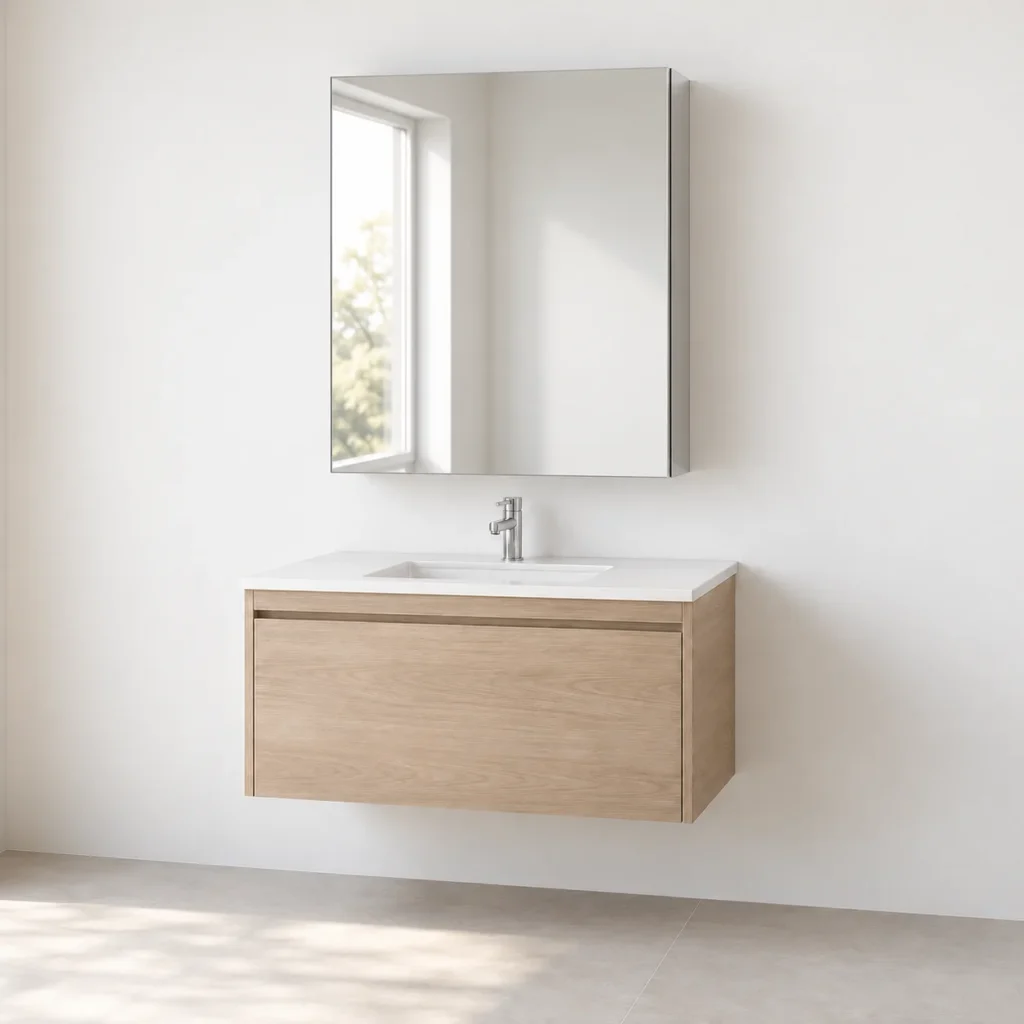
For a 30-inch vanity, start with a medicine cabinet around 24 inches wide. Centered over an exactly 30-inch countertop, it leaves 3 inches of visible width on each side. Choose 20–22 inches for more exposed wall, or 26–30 inches for a fuller-width look. Then check the basin centerline, wall opening, lights and door swing: a cabinet that looks balanced still needs to fit the installation.

Open WeChat and scan this QR code to contact our team.