
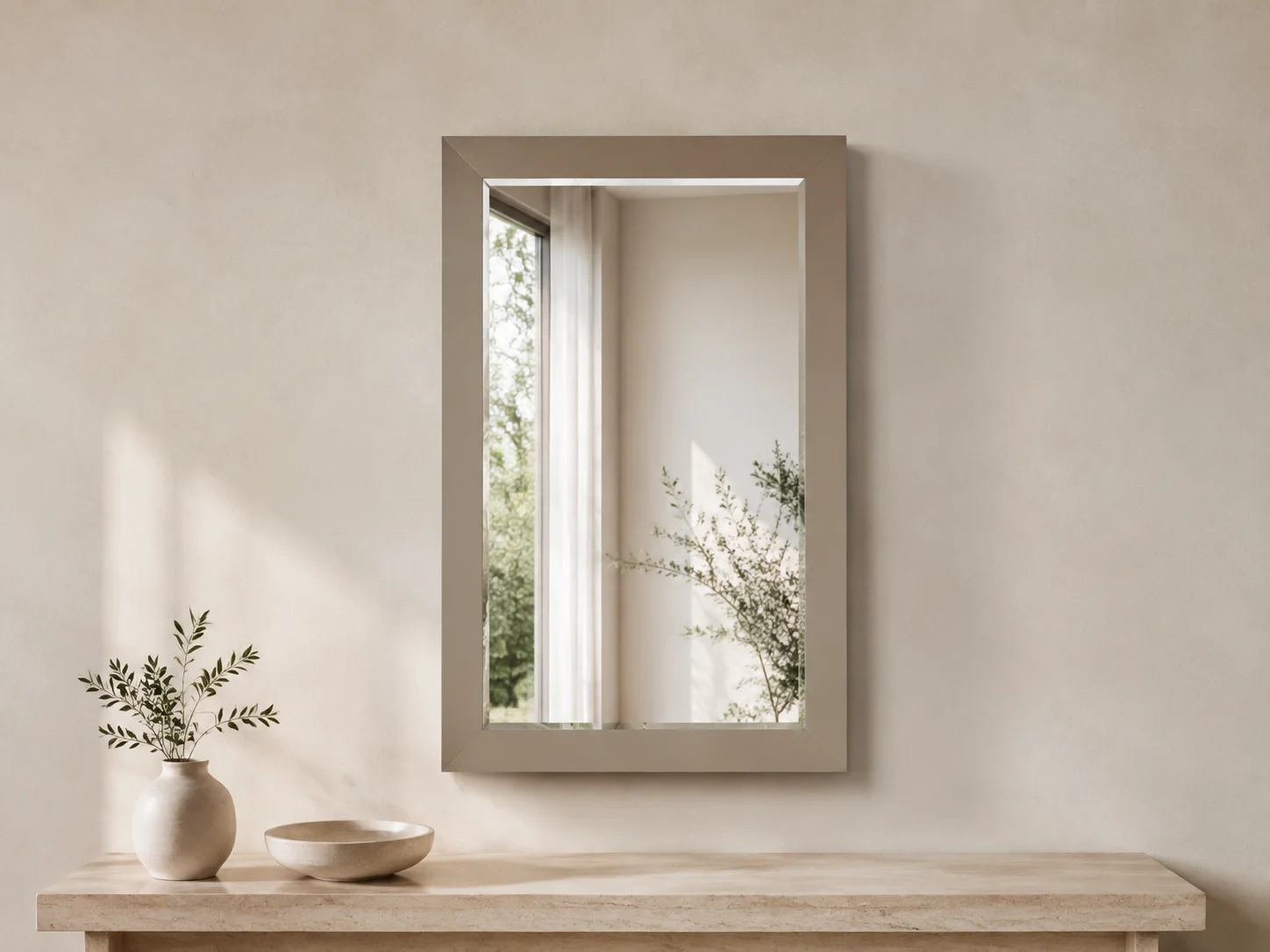
Vertical Rectangle MDF Mirror
Vanities, entryways and repeatable guest-room programs.
APPLICATIONVanity / guest room
ORIENTATIONPortrait wall mount
FINISH DIRECTIONWarm greige lacquer
PRODUCT STATUSCustom development
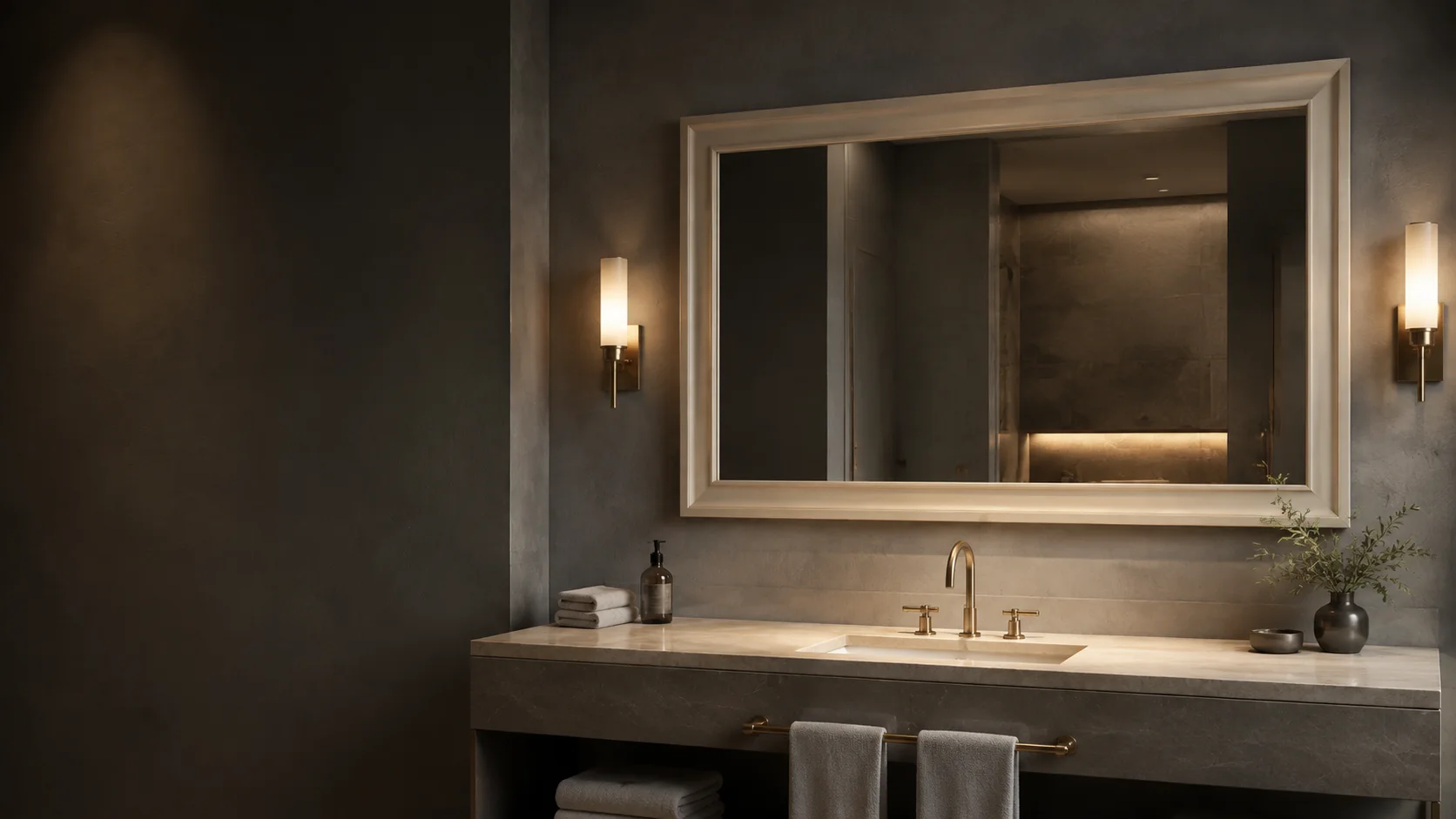
Develop painted, wrapped or veneer-look framed mirror collections around your profile, finish, size, mounting and packaging brief—for retail, hospitality and multi-unit programs.
A reliable quotation separates the MDF substrate from the visible surface. Painted, lacquered, paper-wrapped and veneer-look frames require different edge preparation, color control, joint review and production conditions.
These visual directions organize the project discussion; they are not confirmed stock colors or processes. Select one to add it to the local project brief.
Design direction selected. Final surface process, tolerance, MOQ and lead time will be confirmed during technical review.
These are configurable directions—not claimed in-stock SKUs. Actual dimensions, frame section, backing and hanging system must be confirmed from drawings and samples.
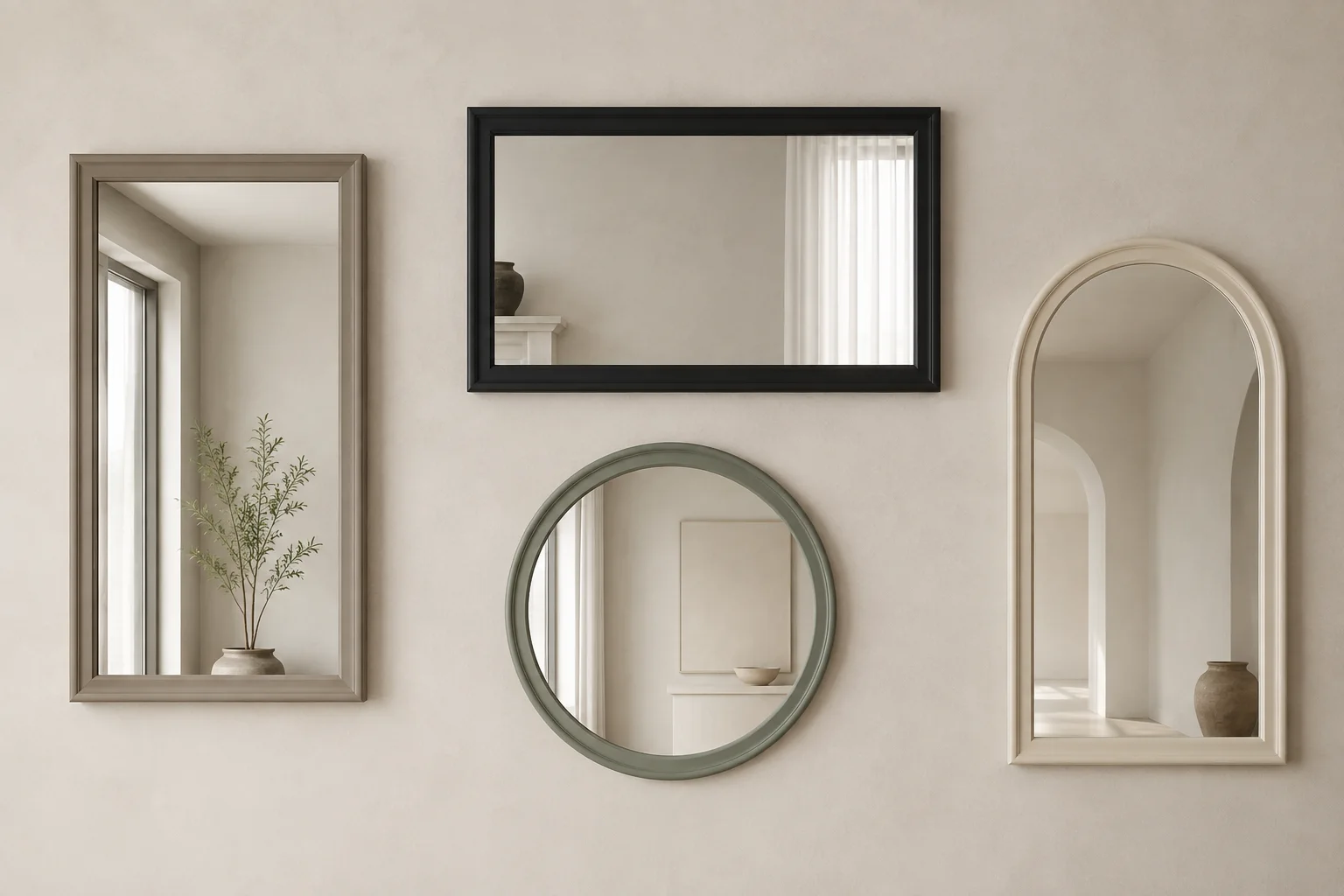
A visual planning board for shape, orientation and finish conversations. Final designs require drawing, material, sample and production-feasibility approval.
Vanities, entryways and repeatable guest-room programs.
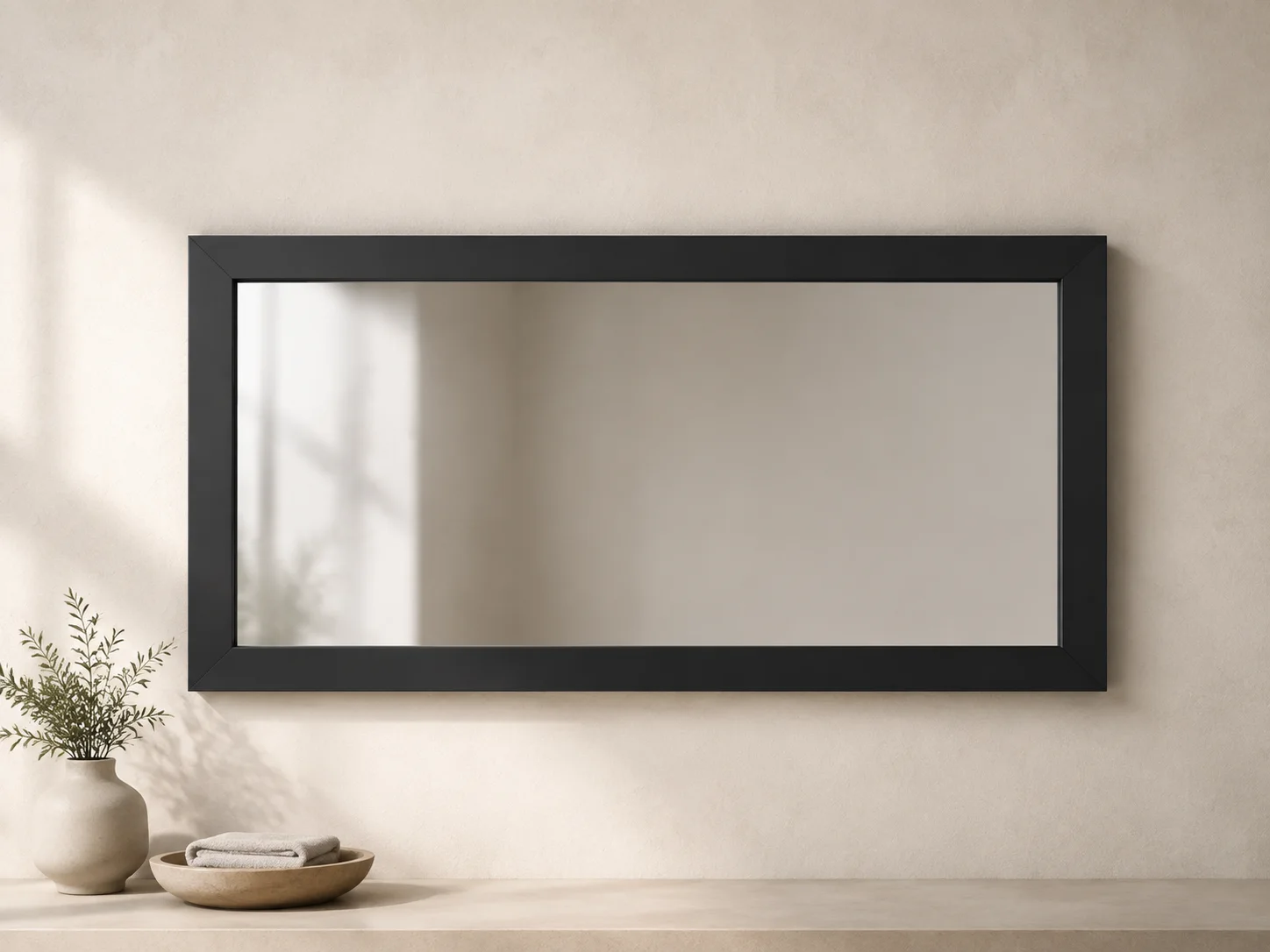
Double vanities and wider wall elevations.
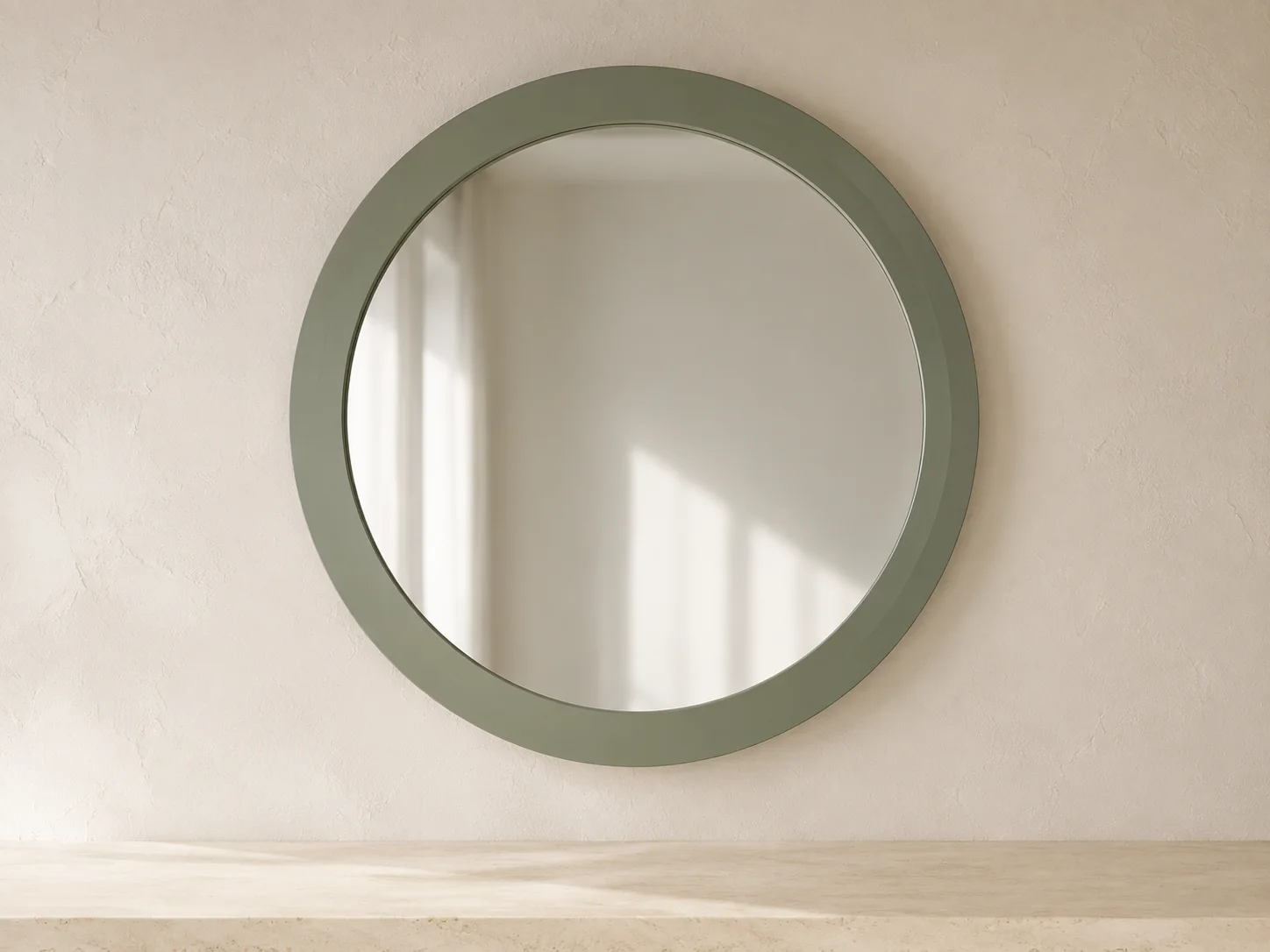
Retail collections and softer residential schemes.
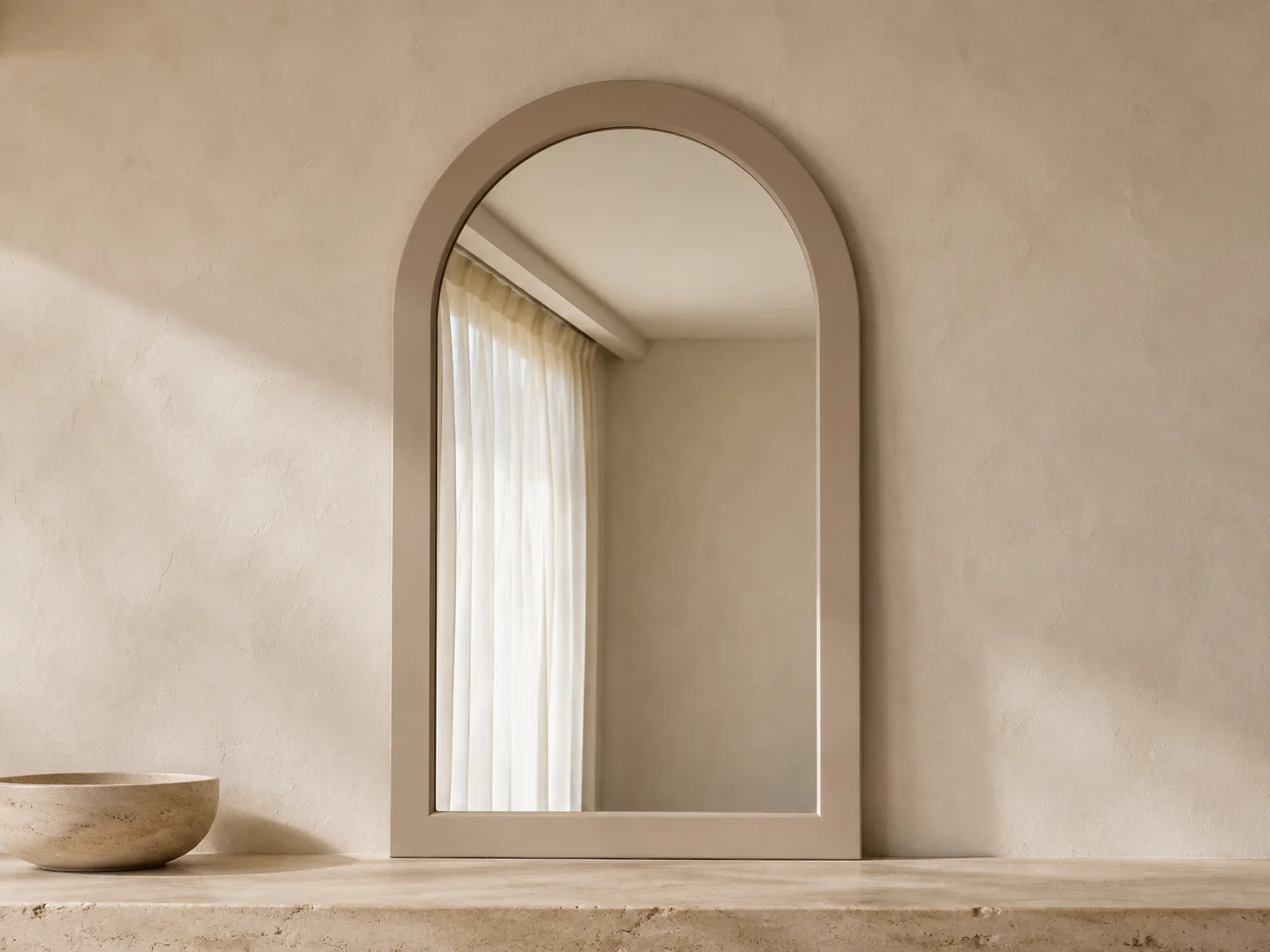
Design-led hospitality and decorative programs.
MDF can support clean profiles and controlled decorative surfaces, but the result depends on substrate selection, machining, edge preparation, finish build and final assembly.
MDF can be routed into flat, stepped, beveled or decorative profile directions. The drawing should define visible width, depth, radii and the mirror opening.
A smooth substrate can support solid-color and decorative finishes, but exposed edges often absorb finish differently from the face and need their own preparation.
Joint method, profile geometry and finish all affect the appearance of mitres and seams. Approve the complete corner—not only a flat color chip.
Bathroom use is not determined by the word “MDF” alone. Grade, sealed faces and cut edges, rear protection, ventilation and splash exposure must be reviewed.
The visible frame does not determine how a mirror hangs. Glass weight, backing, hardware, wall condition and orientation need an assembly-level review.
Painted and wrapped surfaces can be damaged before the glass breaks. Packing should protect the face, corners and finish as well as the mirror itself.
Every option remains subject to feasibility, approved drawings, samples and order quantity. This matrix shows what the project team should define—not a promise that every combination is available.
Rectangle, landscape, round, arch or drawing-led outline; overall W × H and opening dimensions.
Visible width, depth, step, bevel, radius, inner reveal and outside edge treatment.
Specified grade or application-led review; thickness and construction confirmed by model.
Painted, lacquered, wrapped or veneer-look direction with color, sheen and texture reference.
Glass thickness, safety backing, edge relationship, protective film and any destination requirements.
Back protection, mirror retention, hanging hardware, orientation and wall interface.
Product label, carton marks, barcode, instructions and private-label presentation where approved.
Corner protection, cushioning, inner/outer carton, mail-order review, pallet or crate direction.
Choose the material around visual intent, environment, section design and program economics. Final comparisons belong to complete approved samples—not category-level promises.
| Decision factor | MDF frame | Solid wood frame | PS / polymer frame |
|---|---|---|---|
| Design role | Smooth painted surfaces and repeatable machined profiles | Natural grain, species character and furniture-led finish | Molded decorative profiles and lightweight-looking finishes |
| Key specification | Grade, edge sealing, surface process and joint | Species, moisture content, grain and coating | Resin/profile, surface film, joint and tooling |
| Bathroom use | Grade, full-edge sealing and exposure require review | Coating and movement under humidity require review | Material, backing and joint require review |
| Evidence needed | Material declaration + drawing + finish sample | Species record + drawing + control sample | Material declaration + profile sample + assembly |
Use the result to start the technical discussion—not to replace a model-level review.
You need a controlled solid color, a clean machined profile and a furniture-led appearance.
ADD TO BRIEF →You are planning coordinated profiles and colors across a wholesale or private-label range.
ADD TO BRIEF →Humidity, ventilation, splash distance, MDF grade and full-edge sealing must be reviewed together.
REQUEST REVIEW →If natural species and grain variation define the design, compare a solid wood framed mirror route.
VIEW WOOD FRAMES →The final mirror is more than a visible frame. Substrate, finish, sealed edges, mirror glass, backing and hanging hardware work as one assembly.
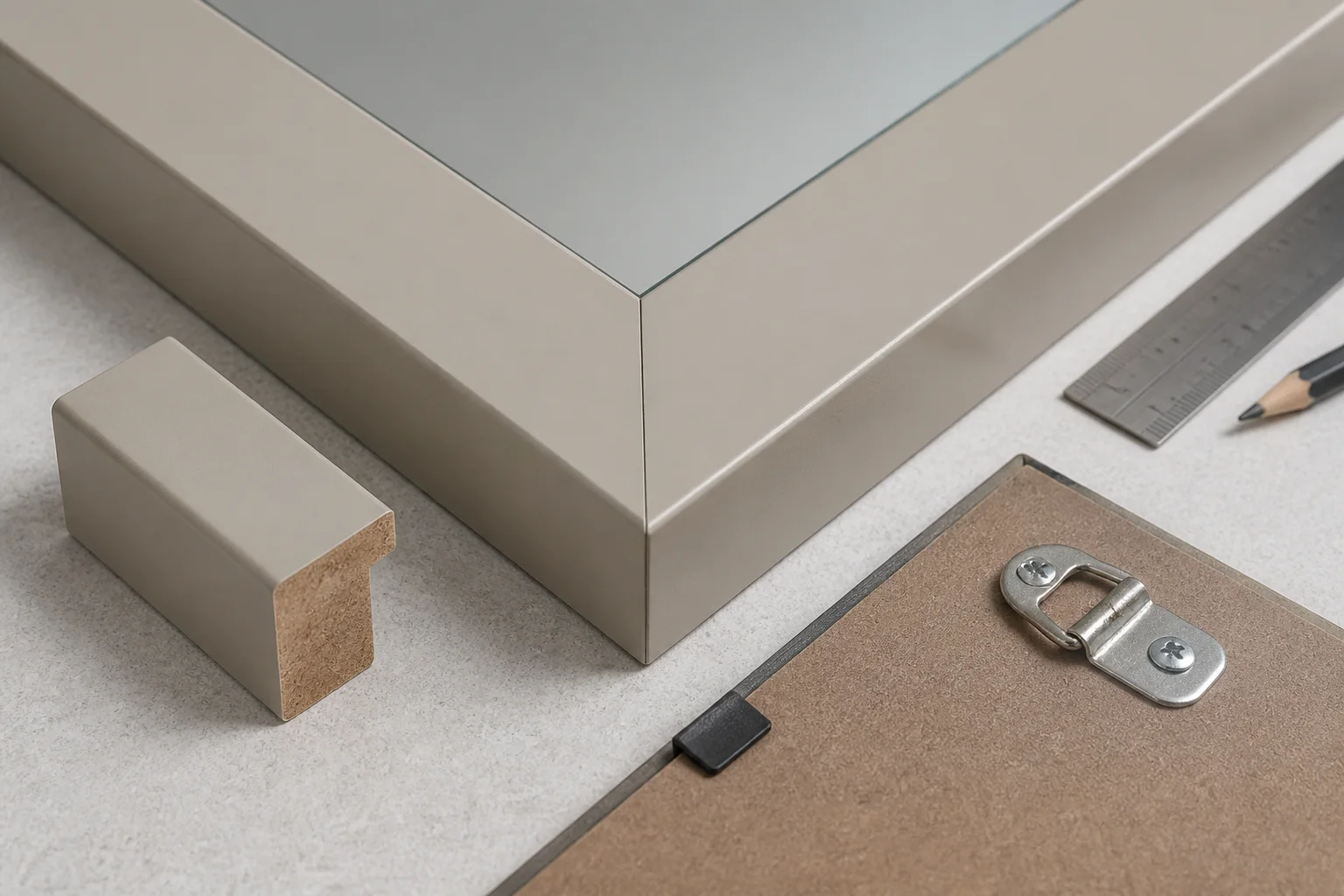
Use the corner joint, surface, exposed-edge sealing, backing and hardware as separate approval checkpoints.
One reference photo is not a production specification. Share the construction, commercial and destination inputs that control the finished mirror.
Build Your RFQThis table shows the information structure required for development. It intentionally avoids publishing universal dimensions, tolerances, MOQ or lead time without model-level evidence.
Open RFQ Checklist| Item | Information to define | Current status |
|---|---|---|
| Frame substrate | MDF type or specified grade, section and intended environment | Project confirmation |
| Frame profile | Visible width, depth, edge shape, radius and corner construction | Drawing required |
| Surface finish | Paint, lacquer, wrap or veneer-look; color, sheen and texture reference | Sample approval |
| Mirror assembly | Glass specification, safety backing, retention method and rear protection | Model confirmation |
| Mounting | Orientation, hardware, fixing locations, wall condition and anti-tip needs | Installation review |
| Packaging | Face and corner protection, carton, labels, pallet or crate direction | Shipment review |
| Commercial terms | Size mix, quantity by model, destination, sample scope and target timing | Formal quotation |
The application should determine the construction. A similar visual frame may require different sealing, backing, mounting and packaging for another channel.
Develop coordinated frame colors and profiles for home décor, wall mirror and dressing mirror assortments. The commercial brief should connect product presentation with consumer packaging and replenishment.
Translate room elevations and finish schedules into mirror dimensions, profile sections, mounting directions and phased delivery requirements. A finish chip alone is not enough for approval.
Coordinate sizes across unit types while keeping mounting, appearance and replacement requirements understandable for project teams and installers.
Assess ventilation, splash exposure, MDF grade, edge sealing, rear protection and wall interface as one system. Bathroom placement does not create a universal waterproof specification.
Surface appearance is controlled through references, preparation, process, complete samples and agreed inspection—not through “black,” “oak” or “gold” alone.
Provide a physical control sample, color code or furniture finish reference, plus the required sheen and texture.
Record the source and version of the reference.Flat faces, machined profiles, exposed edges, joints and holes may require different preparation to achieve a coordinated result.
Confirm the actual substrate and process route.Review color, gloss, texture, joint appearance, mirror fit and rear construction on a complete mirror sample.
Do not approve only from a screen image.Define viewing conditions, reference sample, acceptable variation, handling protection and records before order release.
Final tolerances require project and factory agreement.Each gate should close a different risk before bulk production. Exact timing and deliverables remain subject to the project scope.
Overall size, opening, frame profile, orientation and installation inputs.
MDF type, visible surfaces, edge treatment, mirror and rear construction.
Color, gloss, texture, control reference and acceptable visual tolerance.
Full assembly, joints, mirror fit, backing, hardware and packaging direction.
Signed specification, checkpoints, labeling, pack and order release.
Workflow shown for planning. Availability, sample charges, lead time and approval records must be confirmed in the quotation.
The images below illustrate general frame inspection and export packing activities. They do not verify a specific MDF framed mirror model, material grade or test result.
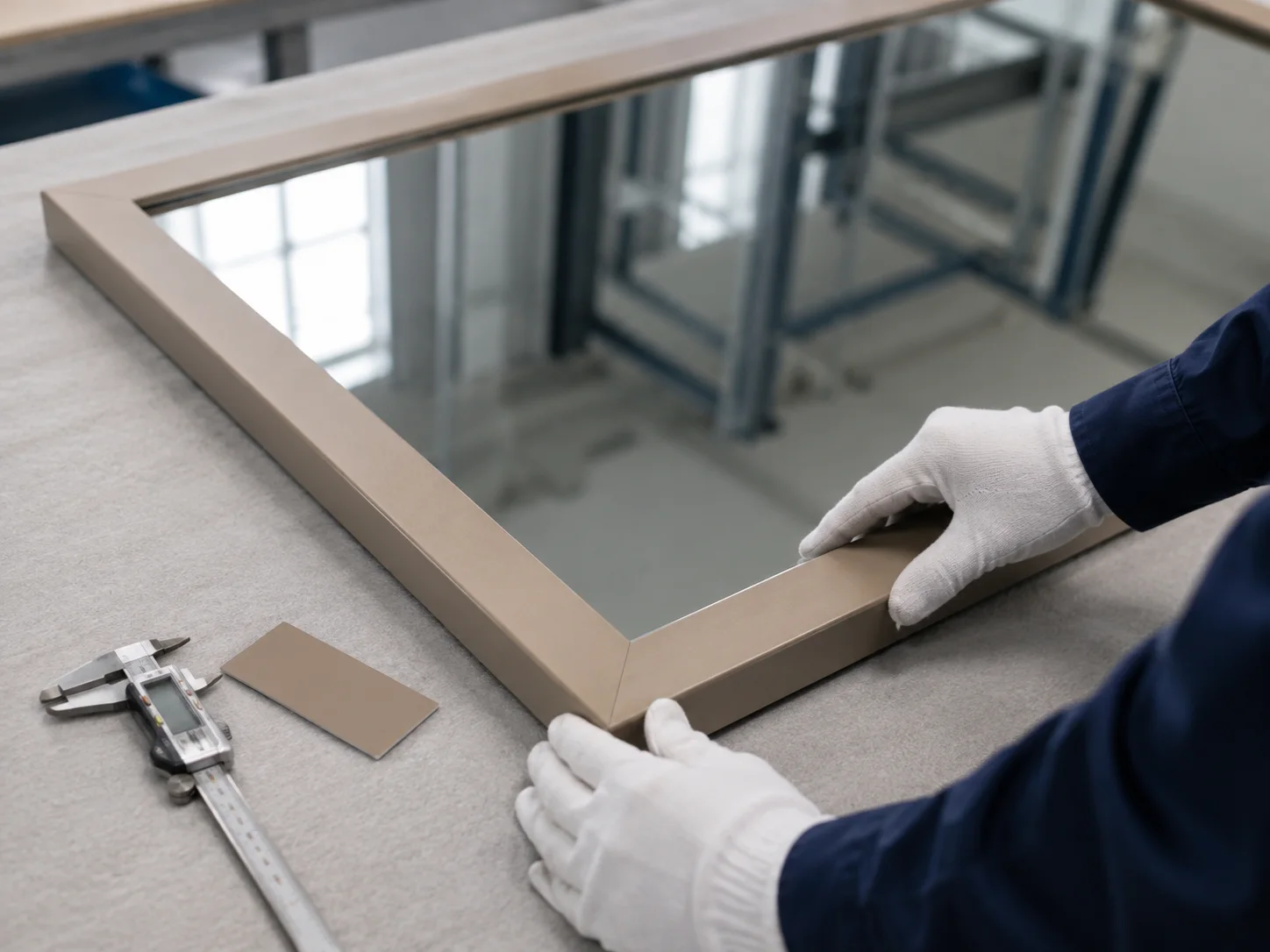
Compare corner alignment, exposed edges, visible finish and glass-to-frame fit with the approved sample.
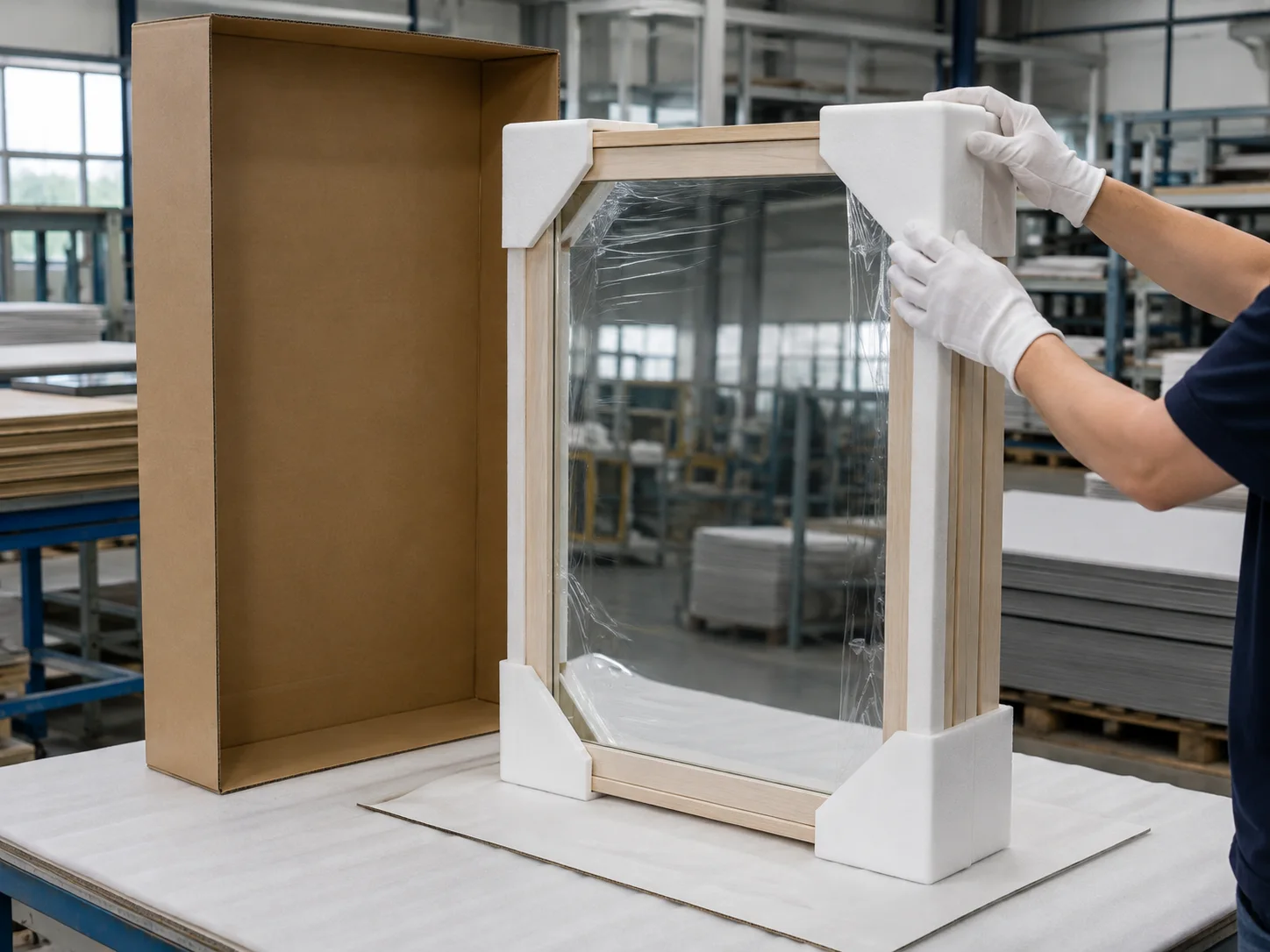
Define face protection, corner guards, cushioning and carton structure for the handling route.
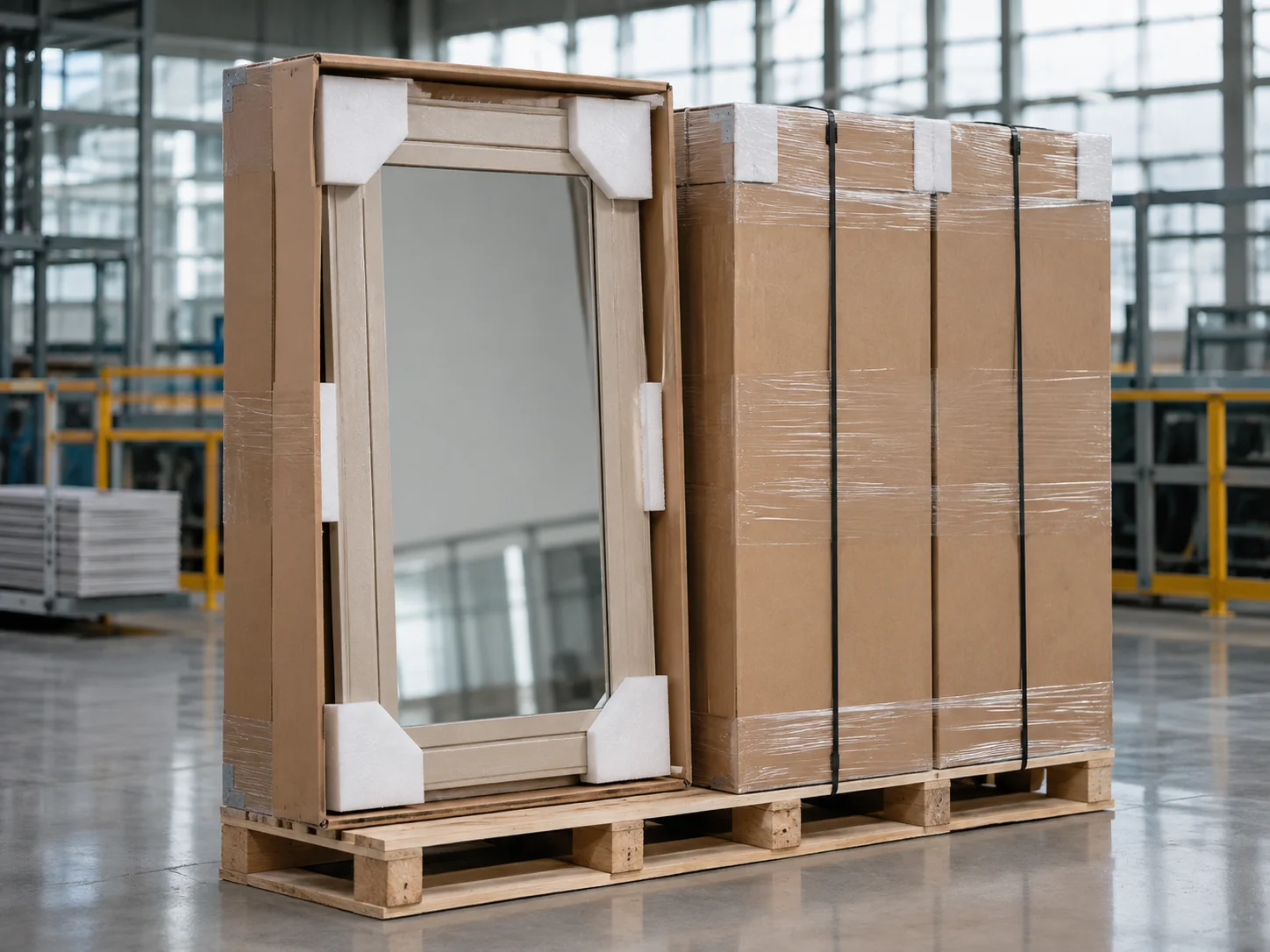
Evaluate carton, pallet or crate direction around size, quantity, breakage risk and project requirements.
Use this list before requesting a quotation. Complete what you know and mark the remaining items for technical review.
Planning checklist only. Final specifications, availability, MOQ, charges and lead time require a formal quotation and approved samples.
A useful response should turn an inspiration image into a reviewable product route—not simply repeat a unit price.
Review application, dimensions, quantity schedule, finish reference, mounting, environment and destination.
OUTPUT: missing-information listAlign MDF direction, frame profile, corner expectation, mirror glass, backing and hanging method.
OUTPUT: drawing and specification pointsEvaluate model count, size mix, finish process, tooling, branding, packing and shipment requirements together.
OUTPUT: quotation assumptions and exclusionsAgree which finish board, corner sample or complete mirror is required before bulk release.
OUTPUT: project-specific sample routeIt uses medium-density fibreboard in the frame construction. The exact substrate, profile, surface finish, backing and assembly should be stated by model rather than inferred from the category name.
No. MDF is an engineered wood fibre panel. A wood-look wrap or veneer over MDF should not be presented as a solid wood frame.
Suitability depends on MDF grade, sealing of surfaces and cut edges, coating, backing, ventilation and exposure. We review the intended environment; this page makes no blanket waterproof claim.
Profile, color and surface directions can be reviewed for OEM programs. Feasibility, process, sample approval, MOQ and lead time are confirmed after drawing and quantity review.
Send the application, dimensions or drawing, quantity, MDF and finish direction, mirror specification, mounting, destination, packaging and target delivery timing.
A coordinated size family can be reviewed for a collection or room schedule. Each size still needs confirmed overall dimensions, mirror opening, frame profile, orientation, hardware and packaging because weight and handling change with scale.
Begin with a physical control sample or defined color reference, then approve the surface process on the actual MDF/profile. A complete mirror sample should confirm color, sheen, texture, joints, glass fit and rear construction before bulk production.
A matching direction can be evaluated from a physical sample, color code or finish board. Feasibility and acceptable variation depend on the substrate, surface system, reference quality and project quantity; this page does not promise an exact match.
The pack should protect the mirror glass, painted or wrapped face, frame corners and rear hardware. Carton, cushioning, corner guards, palletization or crate reinforcement are selected around size, quantity, handling route and project requirements.
They depend on profile/tooling, finish process, size mix, sample scope, packaging and order quantity. OJMIRROR should confirm these against the approved construction and current production plan rather than publish one universal promise.
Start with the product requirements, then add your contact details and files.

Open WeChat and scan this QR code to contact our team.