
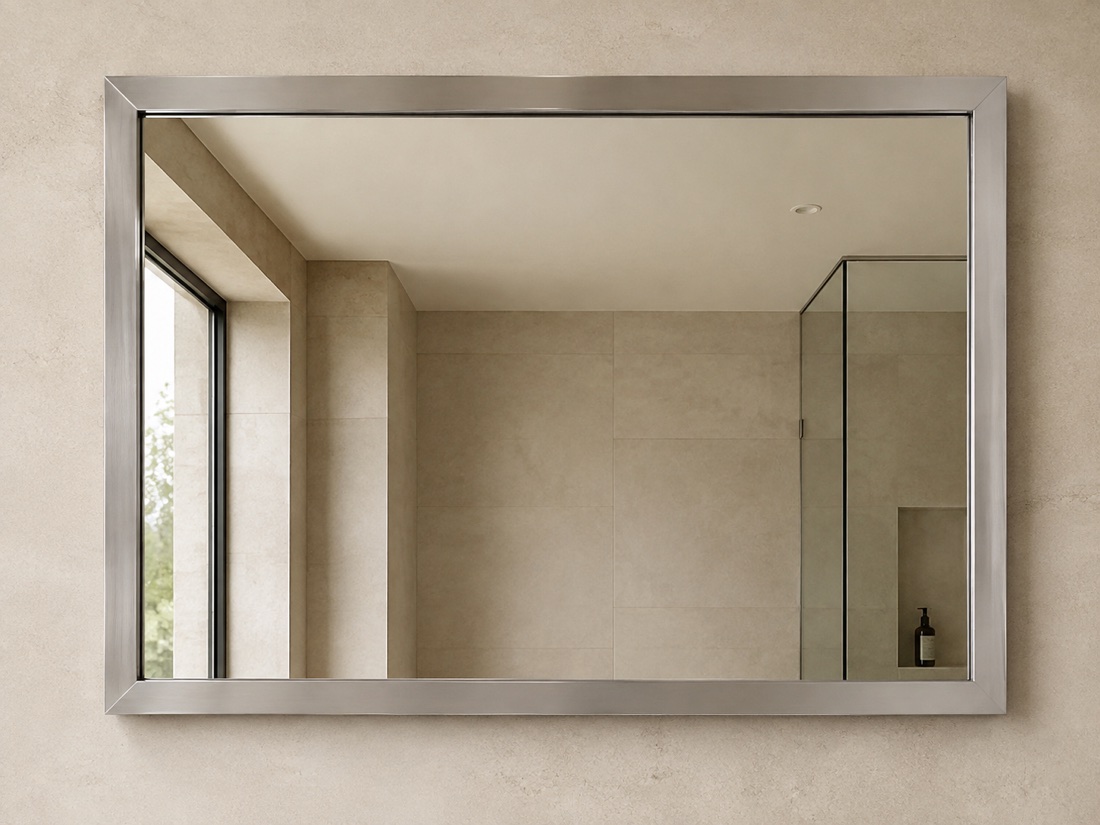
Rectangular Vanity Mirror
A clean project format for guest bathrooms, apartments and coordinated vanity programs.
Portrait / landscapeCustom widthWall mounted
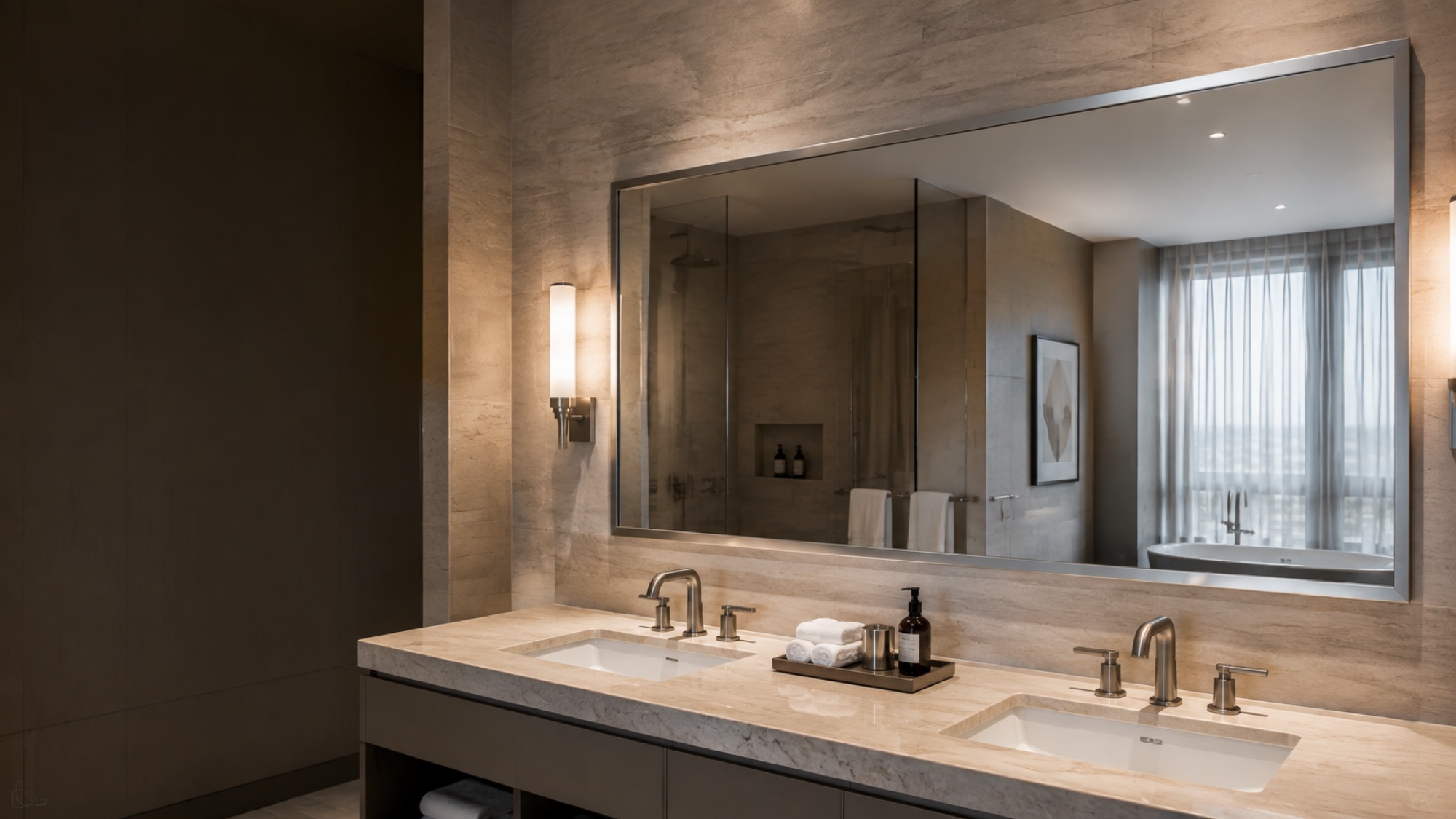
Develop stainless steel framed mirror collections around your drawings, finish references, room schedule and destination-market requirements.
This page covers mirror assemblies with a visible stainless steel frame. Generic framed mirrors belong on the parent collection; full stainless reflective sheets and high-security institutional mirrors require a separate specification review.
A clean project format for guest bathrooms, apartments and coordinated vanity programs.
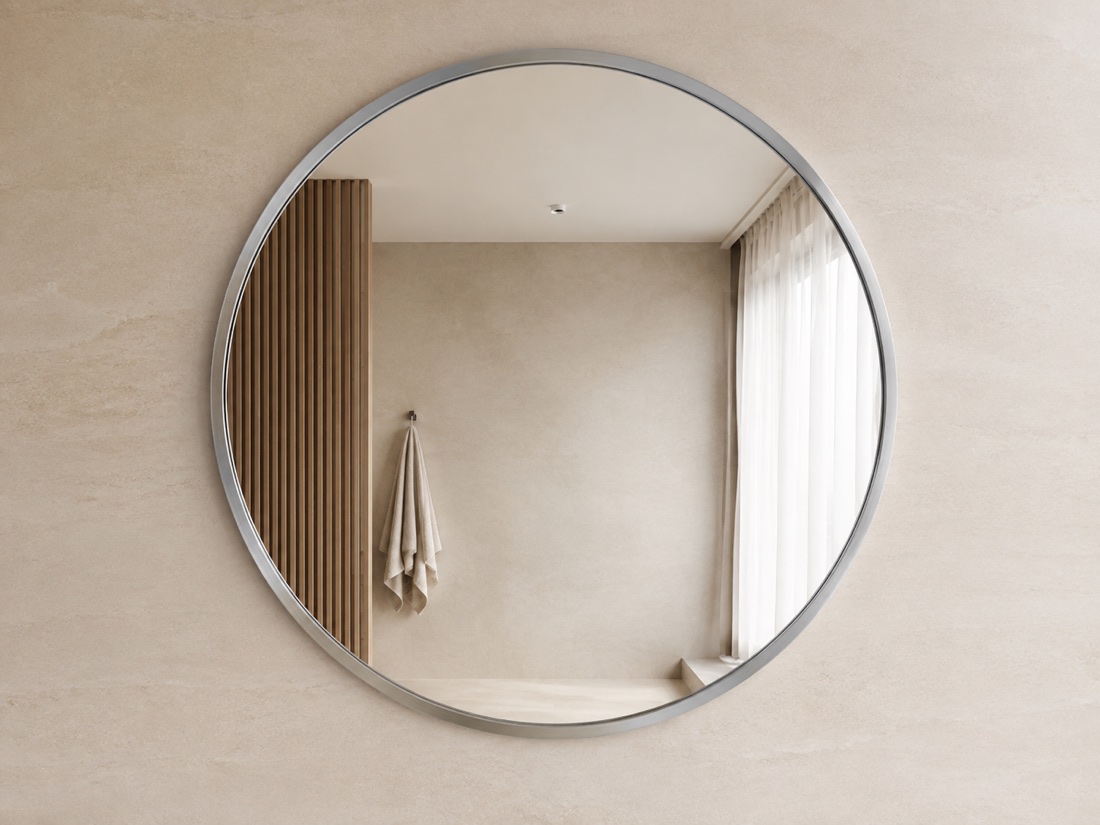
Specify diameter, frame face, depth, finish and hanging direction around the approved drawing.

Coordinate top radius, vertical proportions, joint position and hardware finish for a consistent room set.
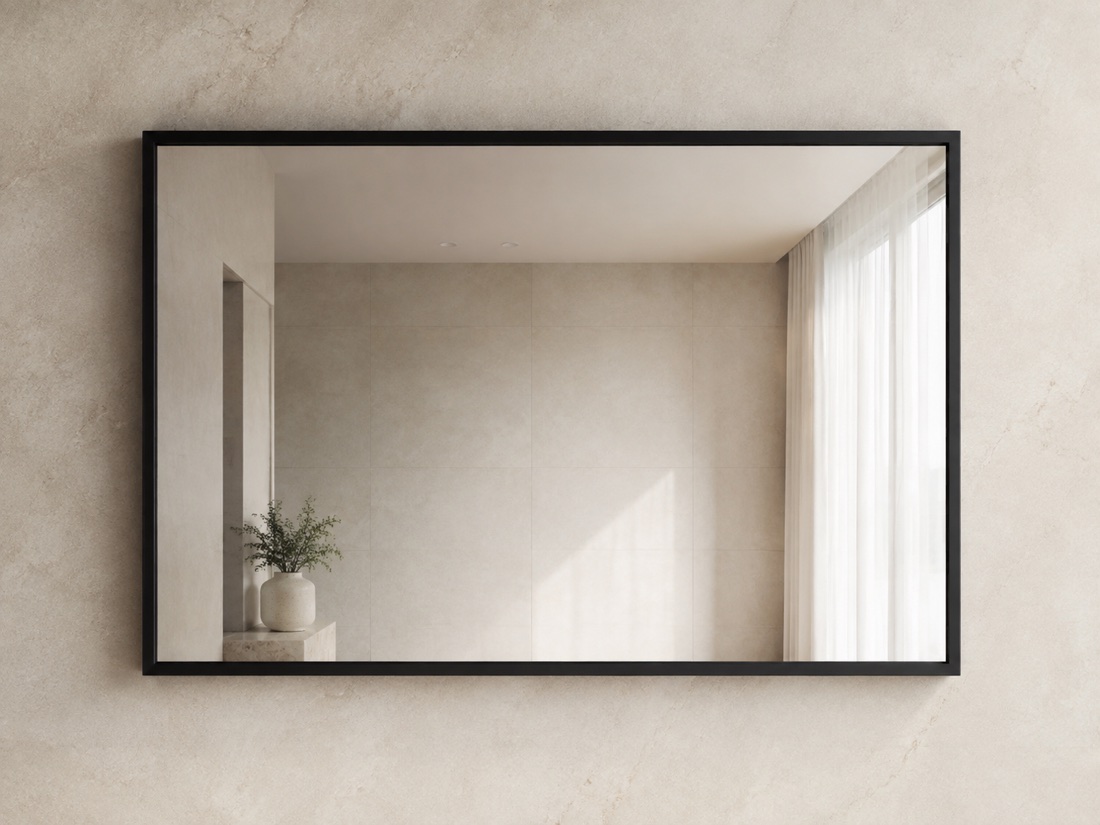
A dark metal direction for contemporary schemes; exact tone and surface performance need sample approval.
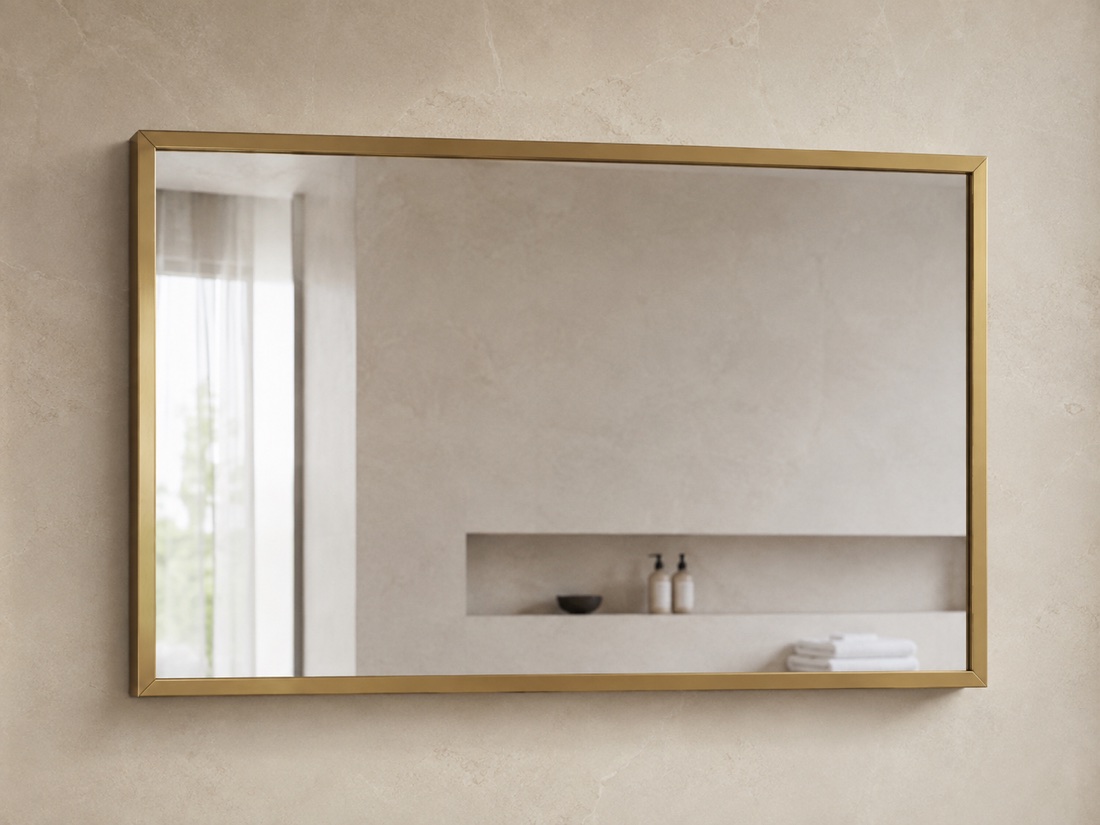
Develop brushed or polished gold-tone directions to coordinate with selected bathroom hardware.
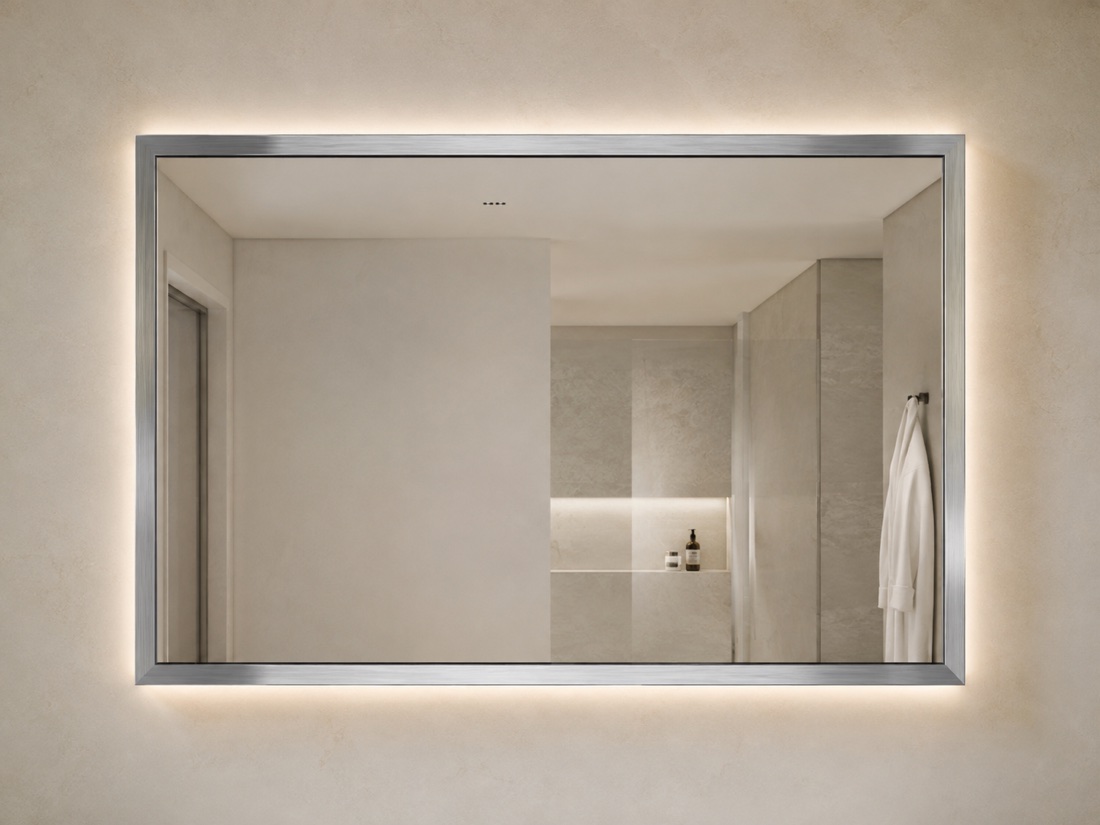
Combine a visible metal border with reviewed front-lit or backlit construction and electrical requirements.
Select the closest options. They are request directions—not confirmed stock specifications—and can be changed after drawing review.
Screen colors cannot approve a metallic finish. Use these as selection directions, then align the project with a physical swatch or signed sample.
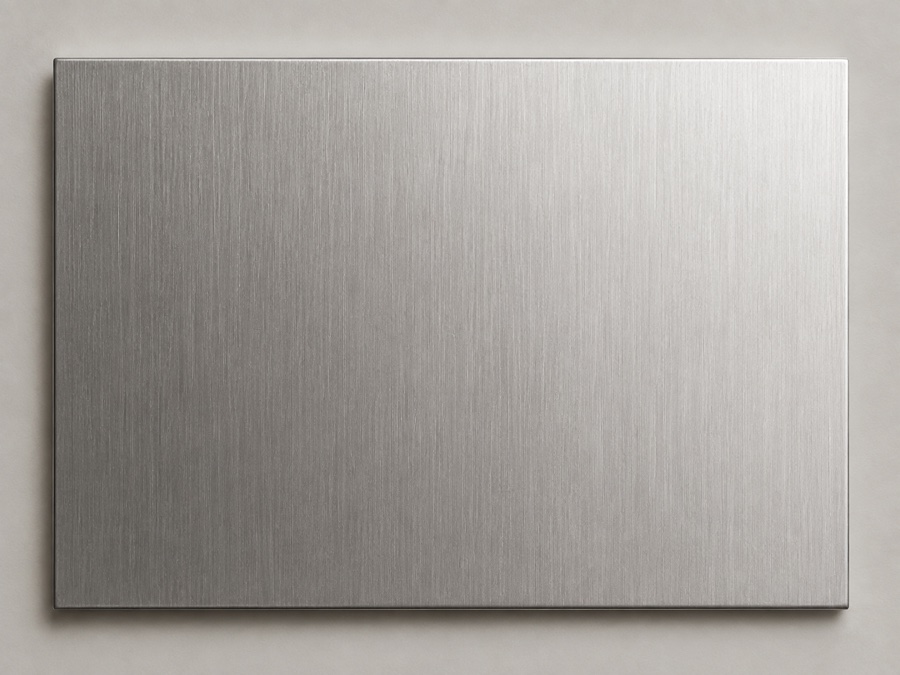
Directional grain with restrained reflection.
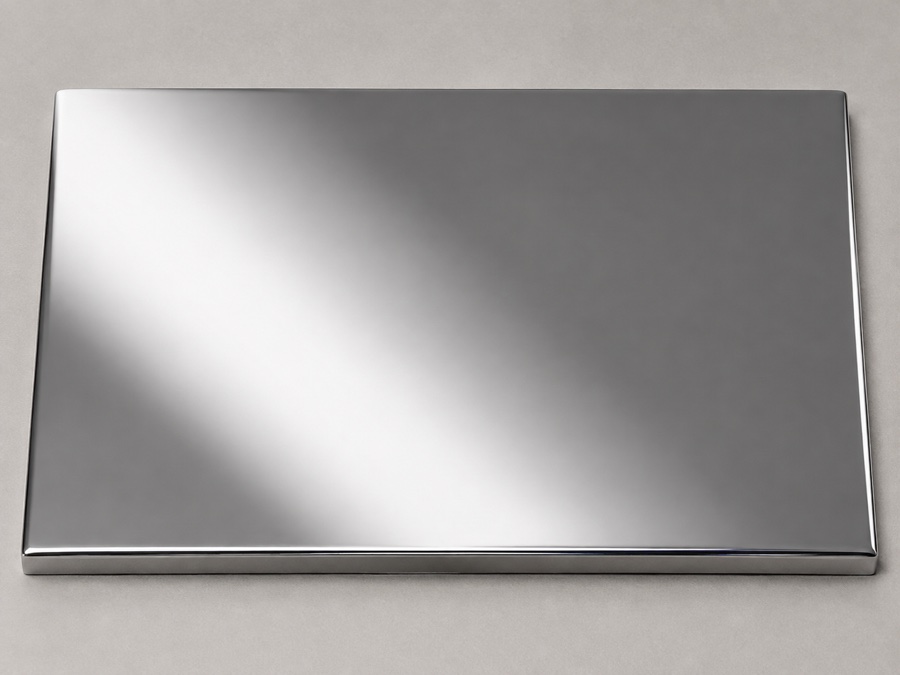
Higher reflectivity; visible surface control matters.
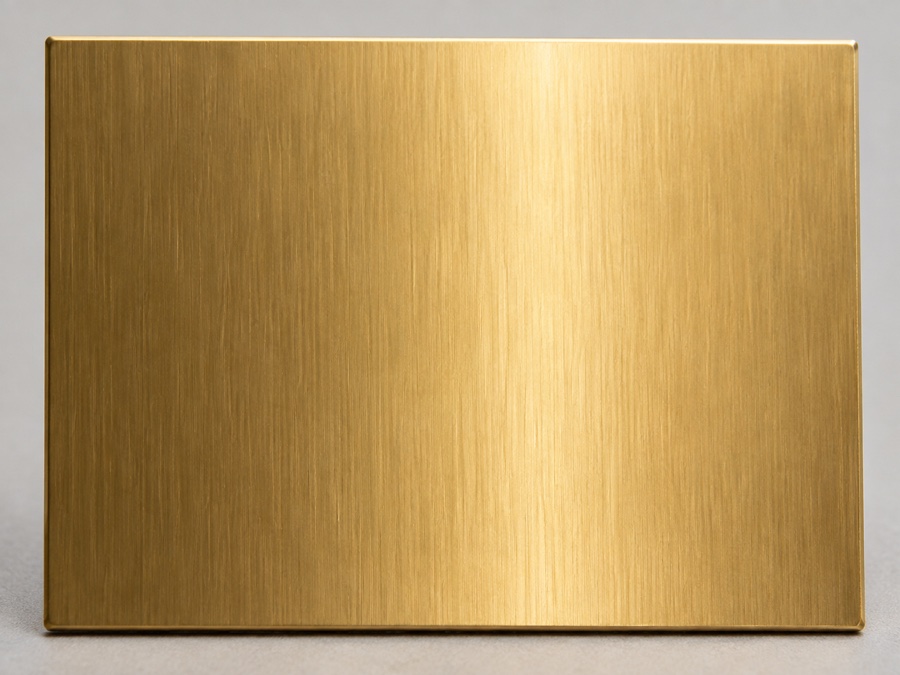
PVD color direction for warm hardware palettes.
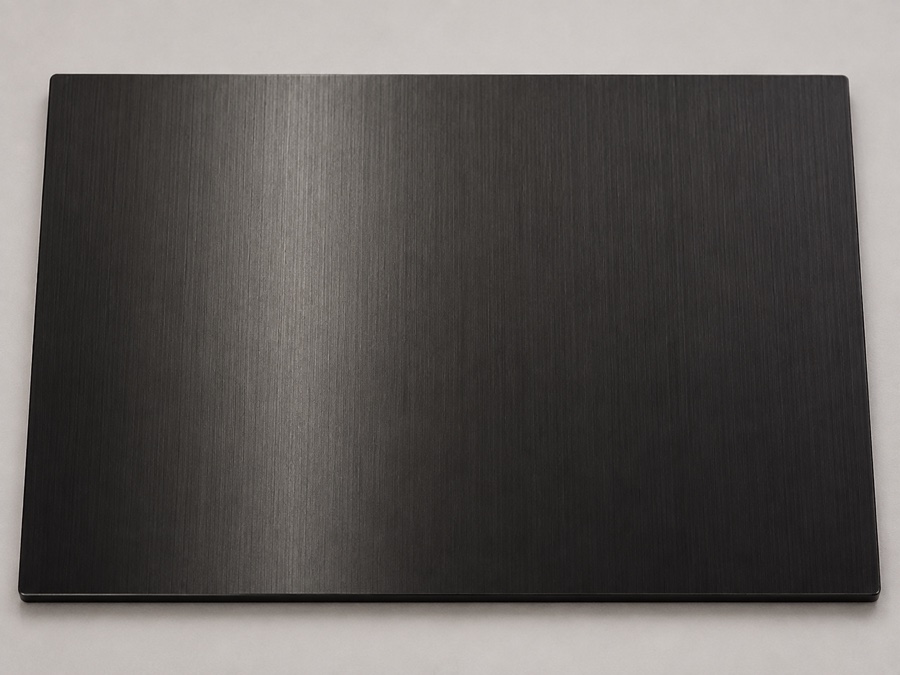
Dark PVD direction for contemporary interiors.
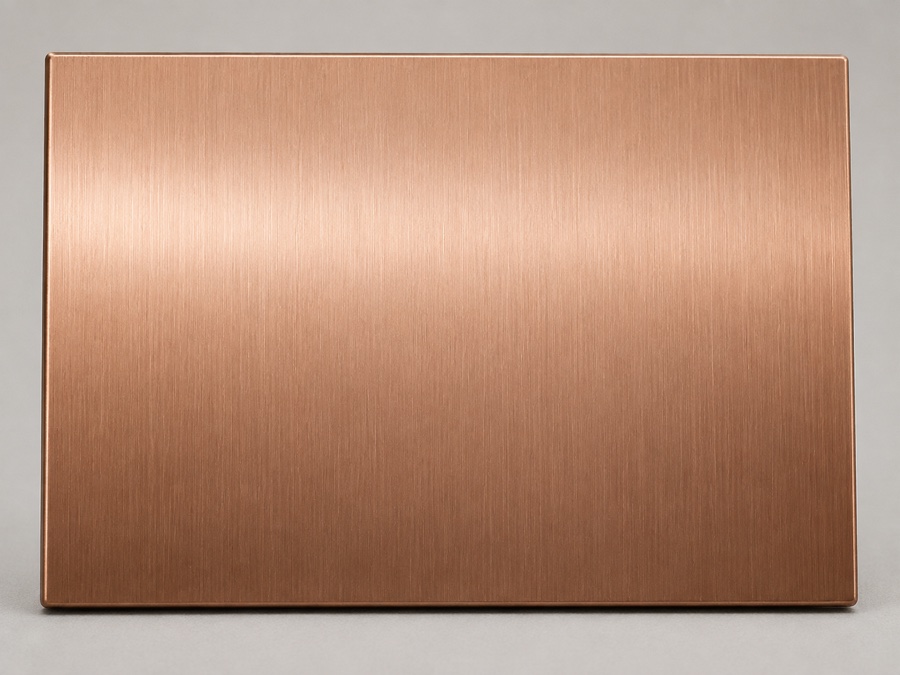
Reference-led custom color direction.
The frame is only one buying dimension. Application requirements still determine mirror size, functions, mounting, documentation and delivery planning.
Coordinate finish references, room-type sizes, mounting and phased packing across guestrooms and suites.
Match mirror proportions and metal direction to selected faucets, hardware and unit schedules.
Develop a coherent SKU family with approved samples, labels, manuals and shipment-specific packaging.
Final controls should follow the approved sample and purchase specification, with inspection evidence agreed before production.
Confirm the specified material direction, frame dimensions and approved construction documents.
Check visible joints, alignment, grain direction, color and surface condition against the approved reference.
Review mirror quality, electrical functions where applicable, mounting parts and protective packaging.
Lock the visual and engineering details before repeat production.
Drawing, quantity, application, market and timing.
Grade, profile, finish, glass, lighting and mount.
Confirm dimensions, joints, color and functions.
Use the signed specification as the control reference.
Check agreed points and protect for the route.
Send dimensions or a drawing, estimated quantity, destination country, application, frame grade and finish direction, glass and lighting requirements, mounting condition, packaging and timing.
Brushed, polished and selected PVD color directions can be reviewed against a physical finish sample or approved reference. Final color, grain and sheen require sample approval.
Material grade should be selected for the environment and confirmed in the quotation and approved specification. Availability is verified for each design and order.
Front-lit, backlit and non-lighted constructions can be reviewed with the required voltage, controls, CCT, functions and destination-market requirements.
The inspection plan can include dimensions, corner alignment, visible joins, grain and color consistency, mirror quality, function tests and packing checks against the approved sample.
They depend on dimensions, construction, material grade, finish, functions, packaging and order plan. OJMIRROR confirms them after reviewing the actual brief.
Share what is already decided. Open items can be aligned before quotation.
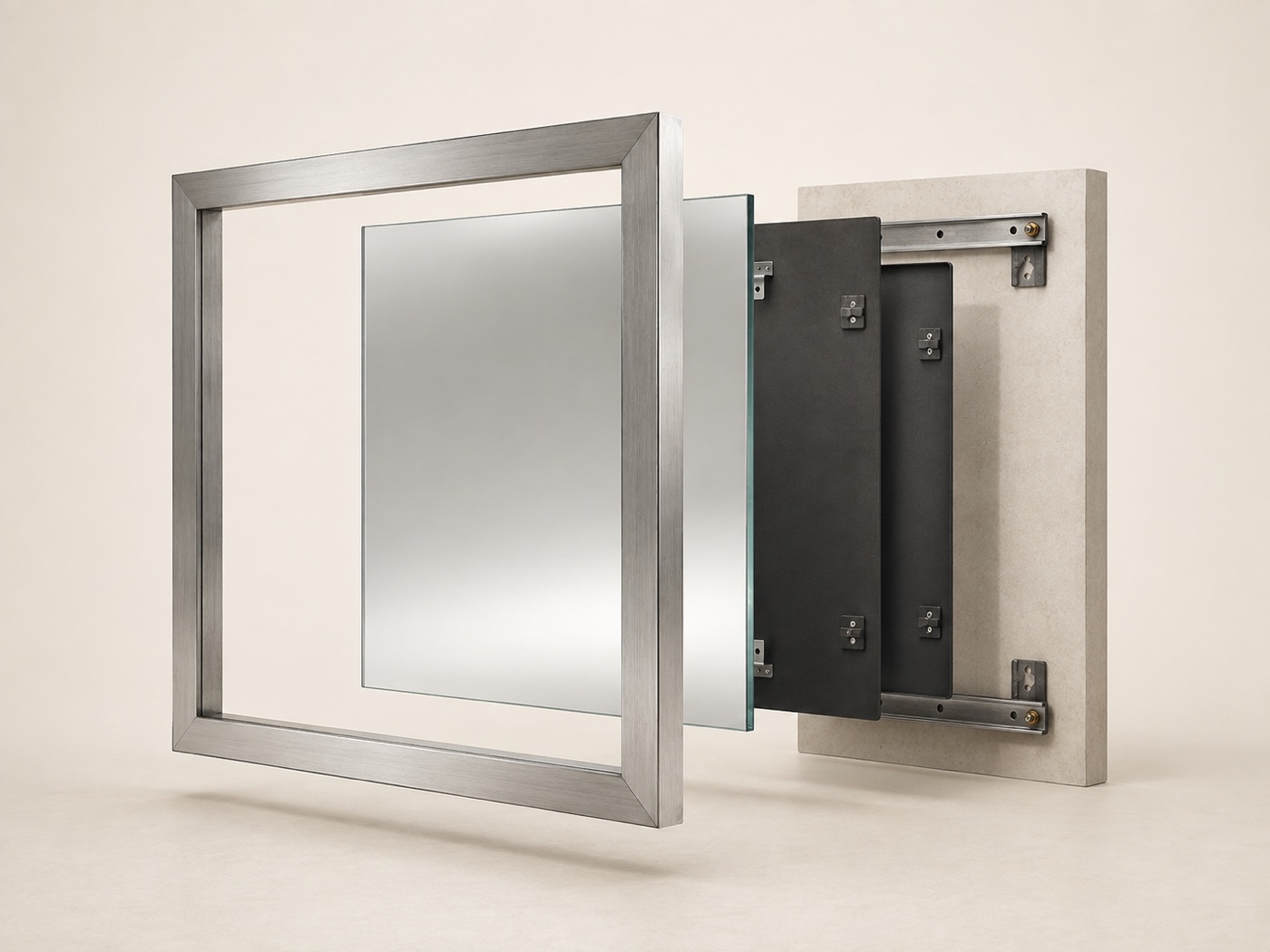
A finish name alone cannot define a frame. A reviewable specification should show how the glass, profile, corners, backing and wall connection work together.
Neither material is universally better. The correct choice depends on profile design, finish target, weight, environment, quantity and cost. Final performance must be assessed on the actual construction.
| Decision point | Stainless steel direction | Aluminum direction | What to confirm |
|---|---|---|---|
| Typical construction | May use formed, folded, welded or joined sections. | Often uses extruded, cut, bent or mechanically joined profiles. | Section drawing, corner method and backing. |
| Weight | Often heavier for a comparable visible structure. | Often lighter for a comparable profile. | Finished product weight and wall condition. |
| Finish routes | Brushed, polished and selected PVD directions may be reviewed. | Anodized, powder-coated and other approved directions may be reviewed. | Physical sample, color, sheen and grain. |
| Key QC focus | Visible joints, weld finishing, surface consistency and material definition. | Profile consistency, corner alignment, coating and color consistency. | Signed sample and inspection criteria. |
| Best-fit decision | Choose from the approved design and verified specification—not from a material name alone. | Drawing, environment, quantity, budget and target appearance. | |
This comparison is procurement guidance, not a blanket performance claim. Corrosion resistance, durability and suitability depend on the selected grade/alloy, surface treatment, fabrication, installation and environment.

Open WeChat and scan this QR code to contact our team.