Bathroom mirror FAQs
Frequently Asked Questions About Bathroom Mirrors
Replacing a mirror with dark edges? Learn why bathroom mirrors develop black edges and compare repair, framing, and replacement before choosing a new unit.
What size bathroom mirror should I choose?
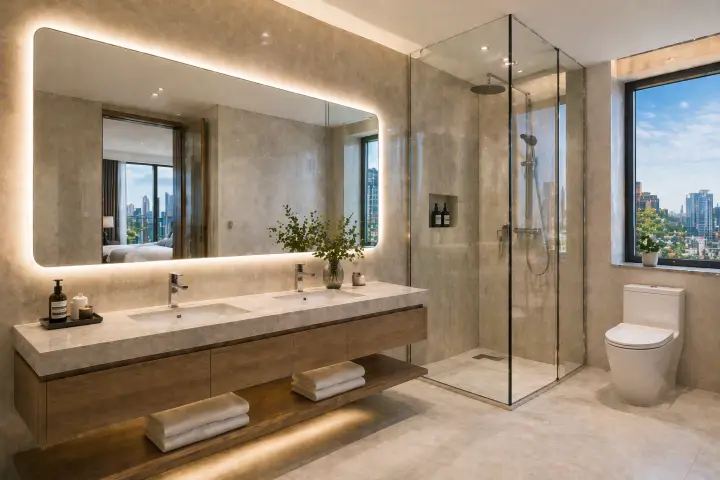
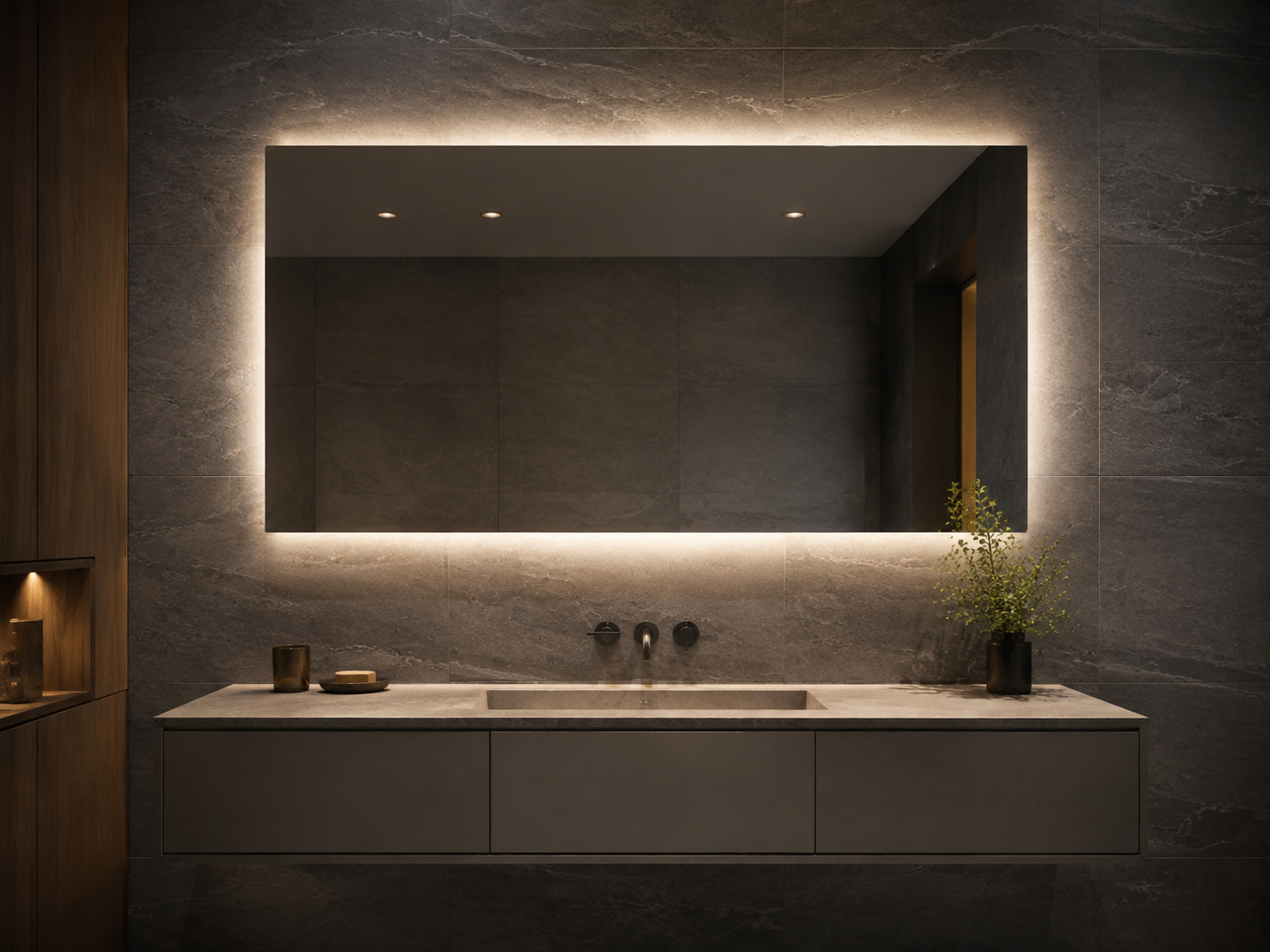
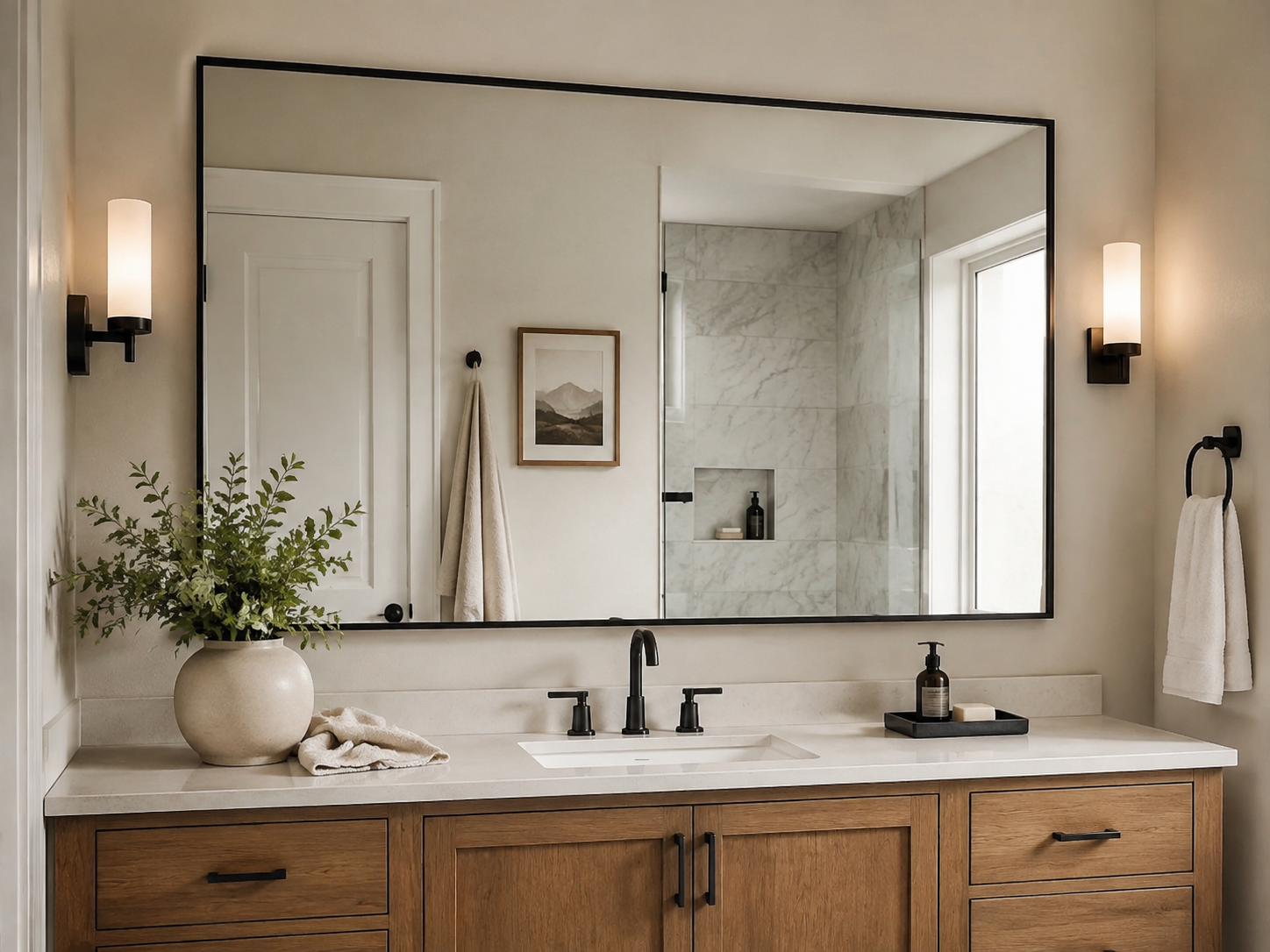
A common starting point is a mirror that is approximately 70–90% of the vanity width. Final dimensions should also account for the basin position, faucet height, wall space, electrical point and mounting clearance. For project orders, send the vanity or wall dimensions for a size review.
Which bathroom mirror shape is best?
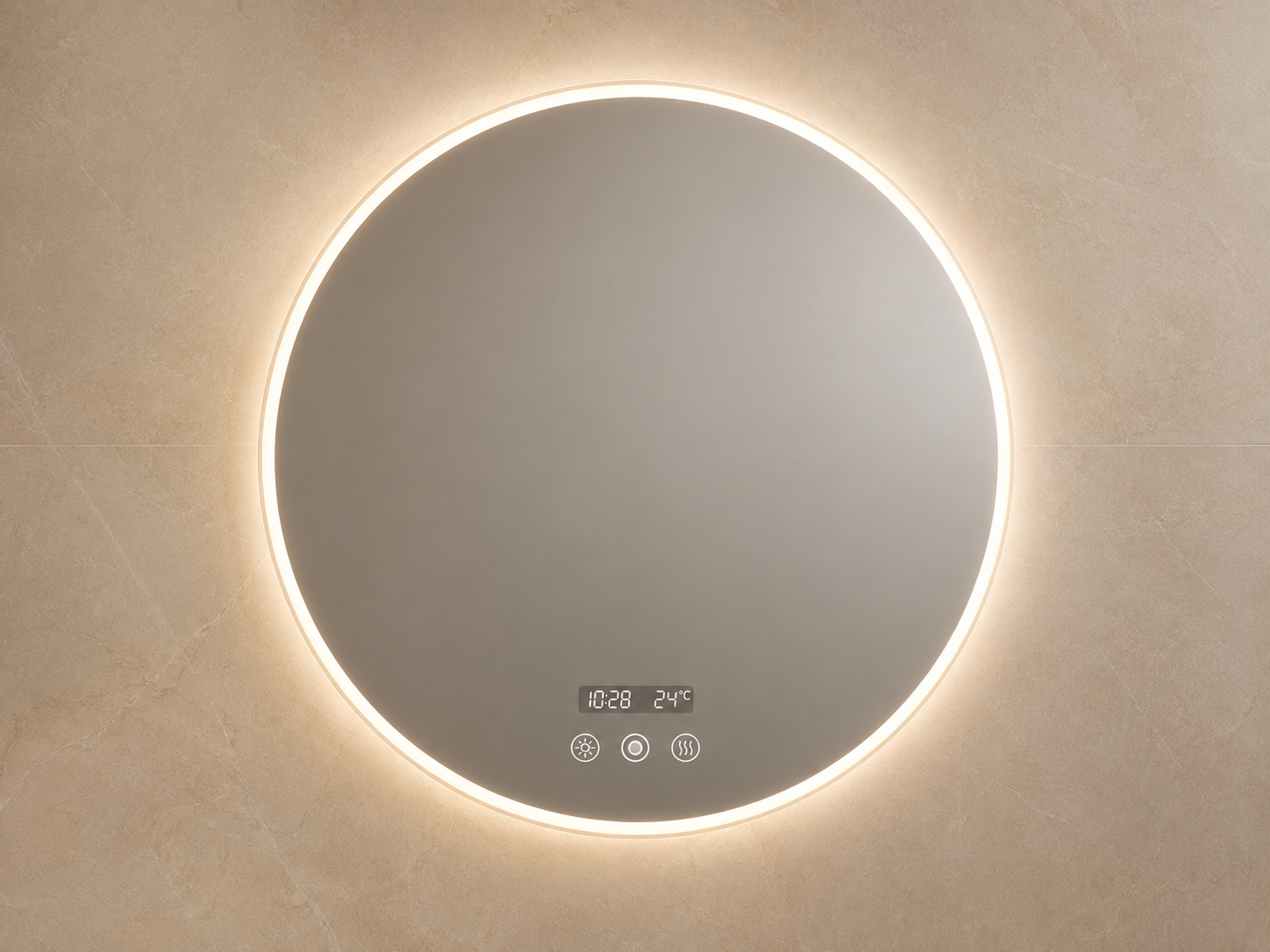
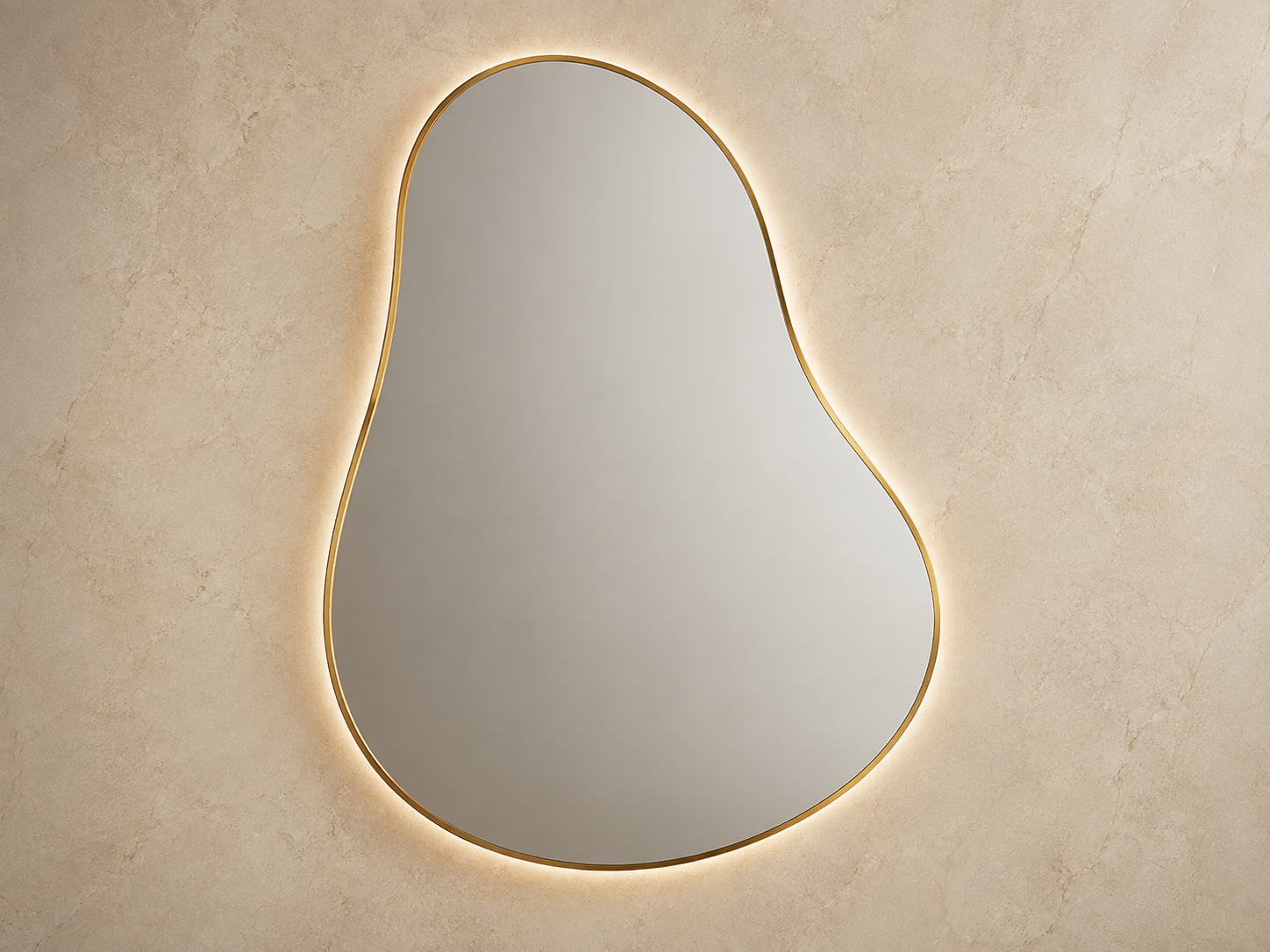
Rectangular mirrors provide the largest practical reflection area and suit wide vanities. Round and oval mirrors soften straight architectural lines, while arch, pill and irregular shapes create a stronger design feature. The best choice depends on the vanity width, wall proportions, room style and installation space.
Should I choose a frontlit or backlit LED bathroom mirror?
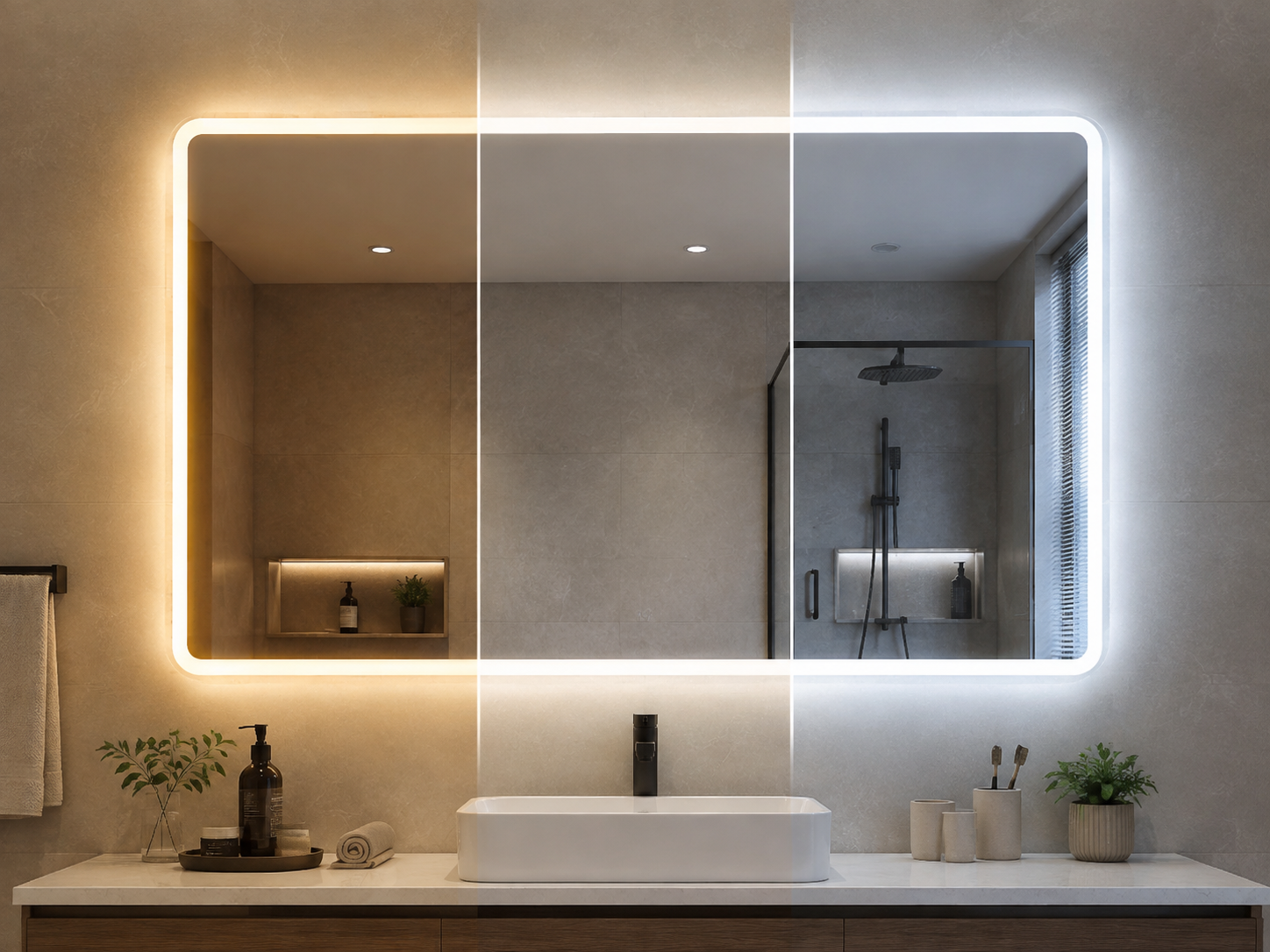
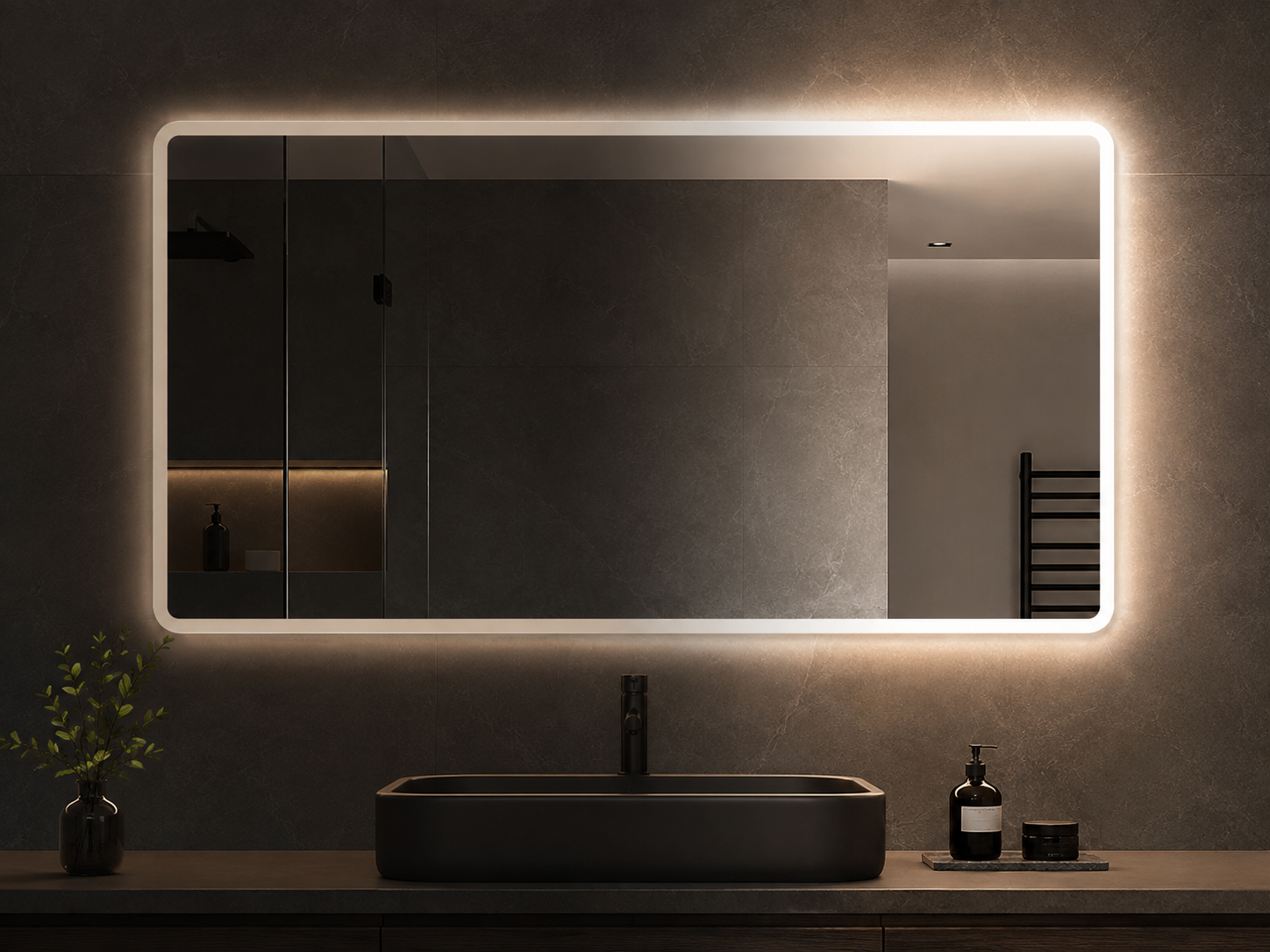
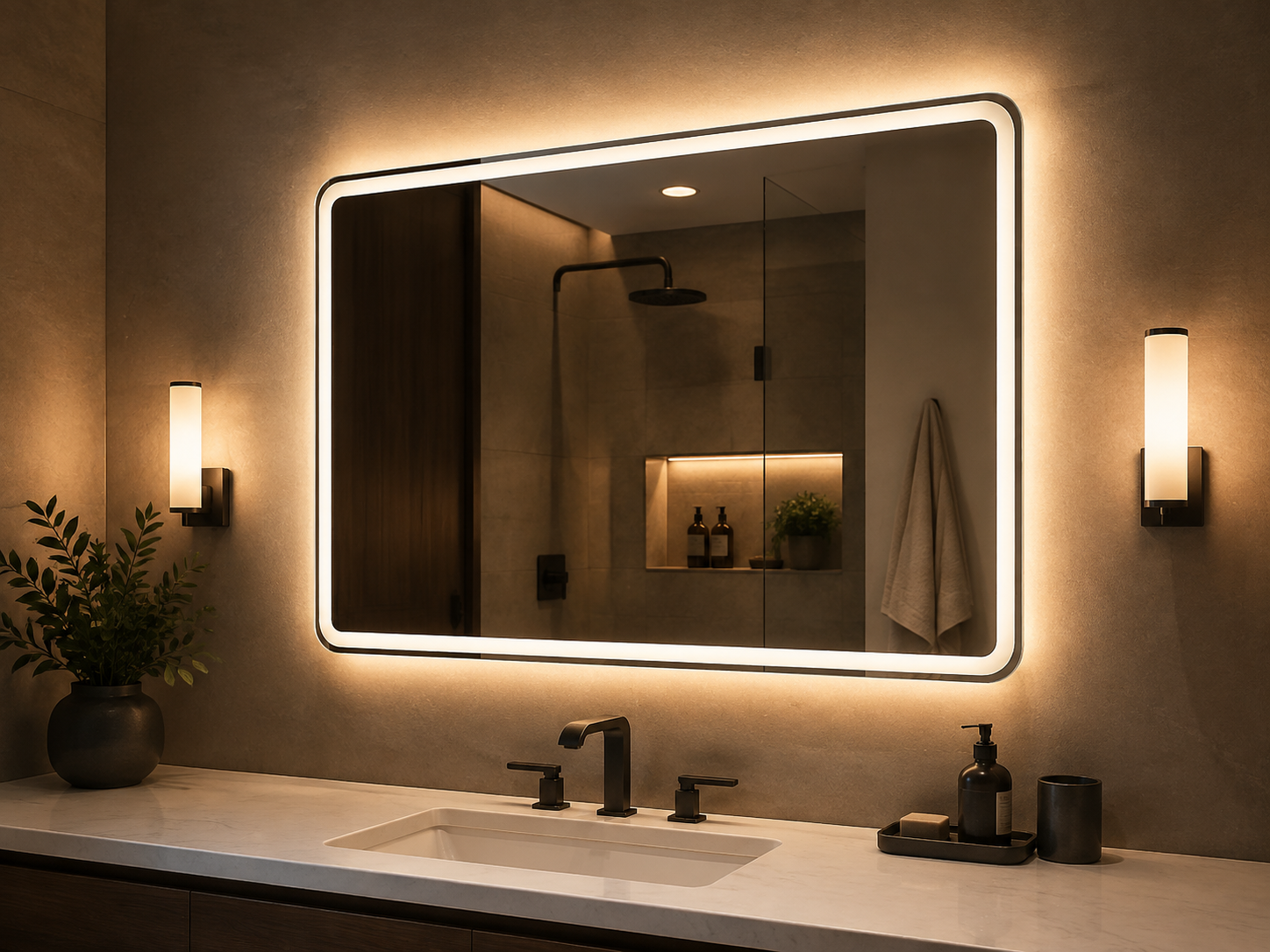
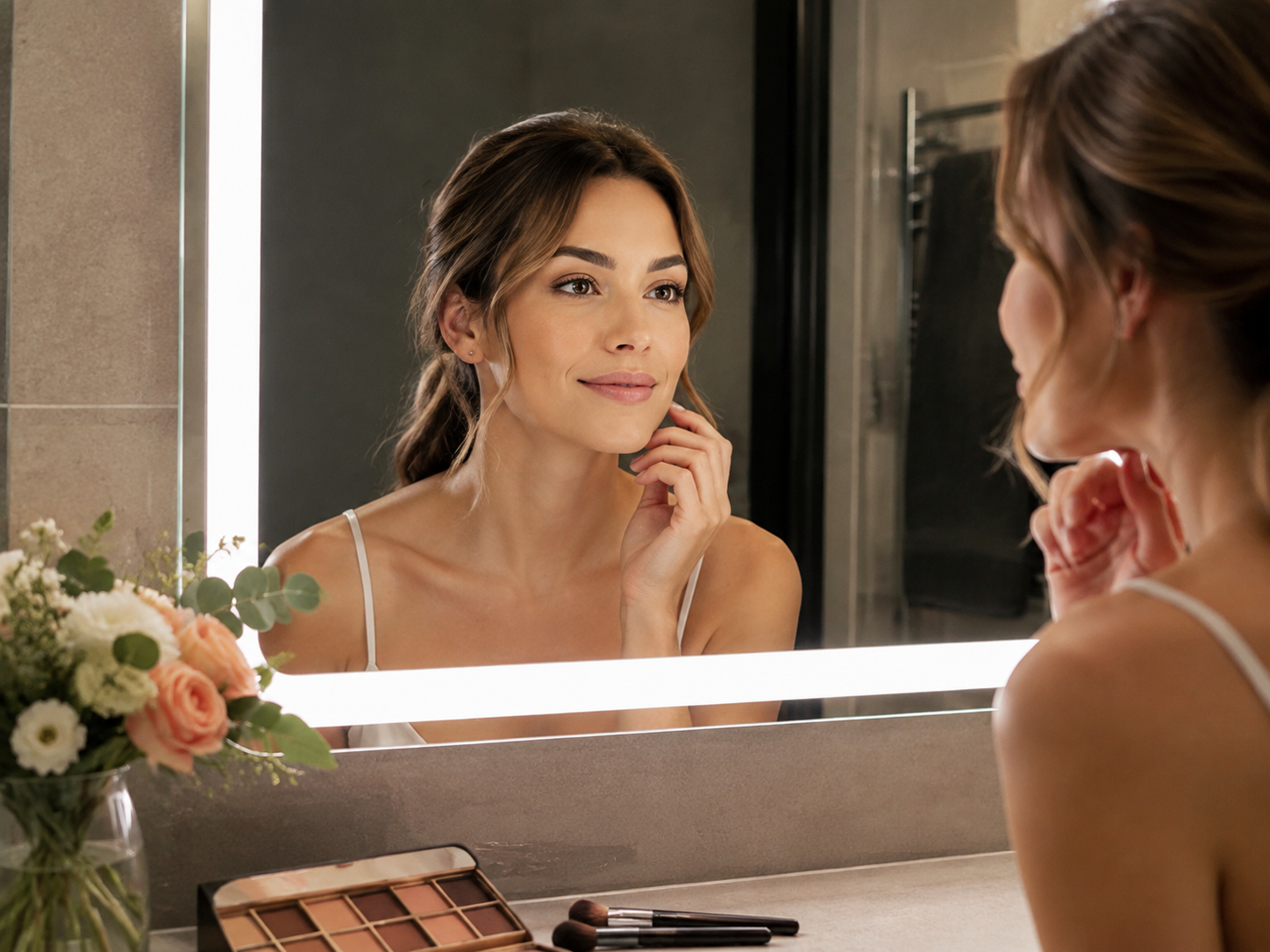
Front lighting provides more direct illumination for grooming, while backlighting creates softer ambient light around the mirror. A combined frontlit and backlit design can support both practical and decorative lighting. The appropriate configuration depends on the room lighting plan and required brightness.
Are anti-fog, dimming and sensors available?
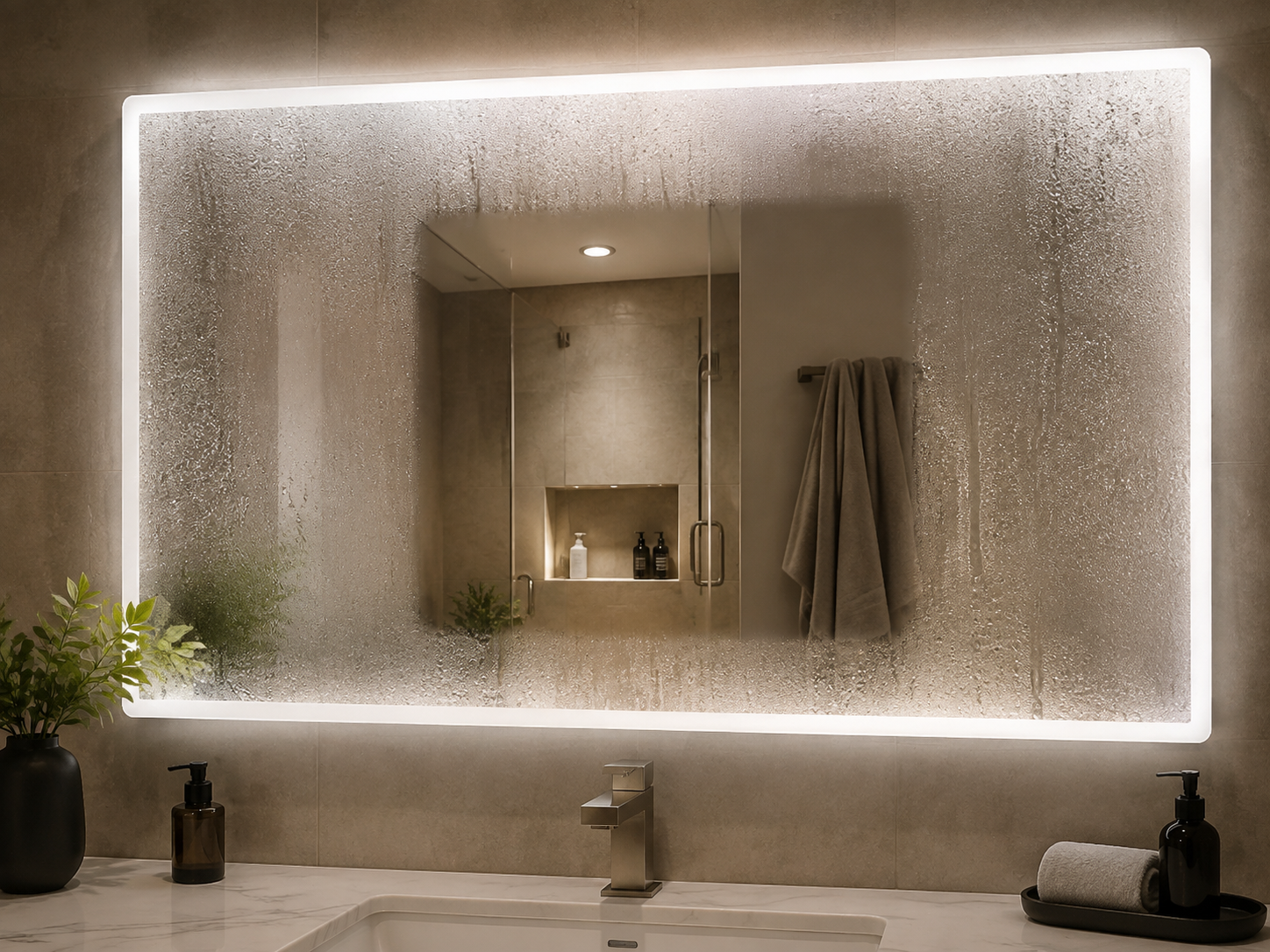
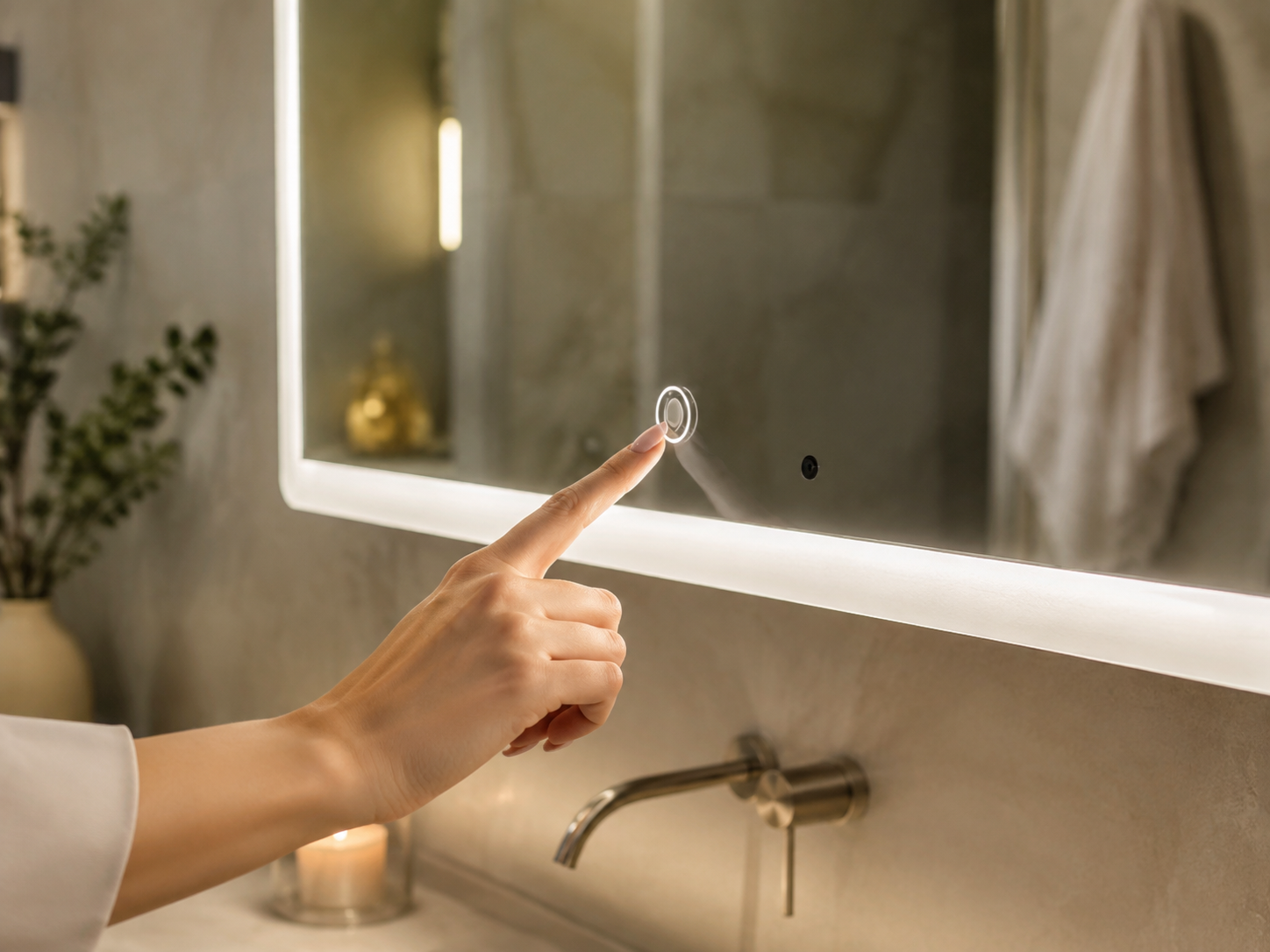
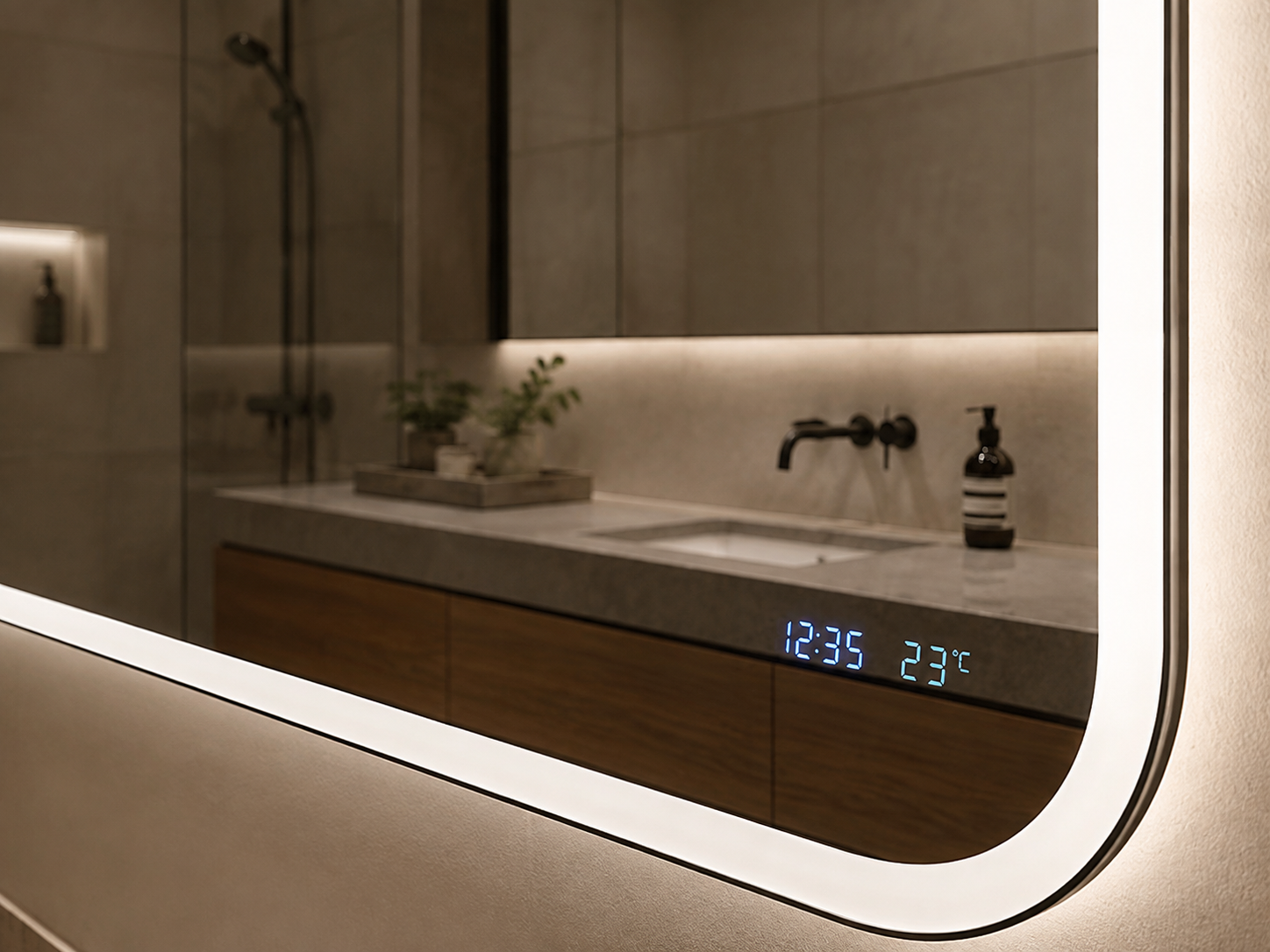
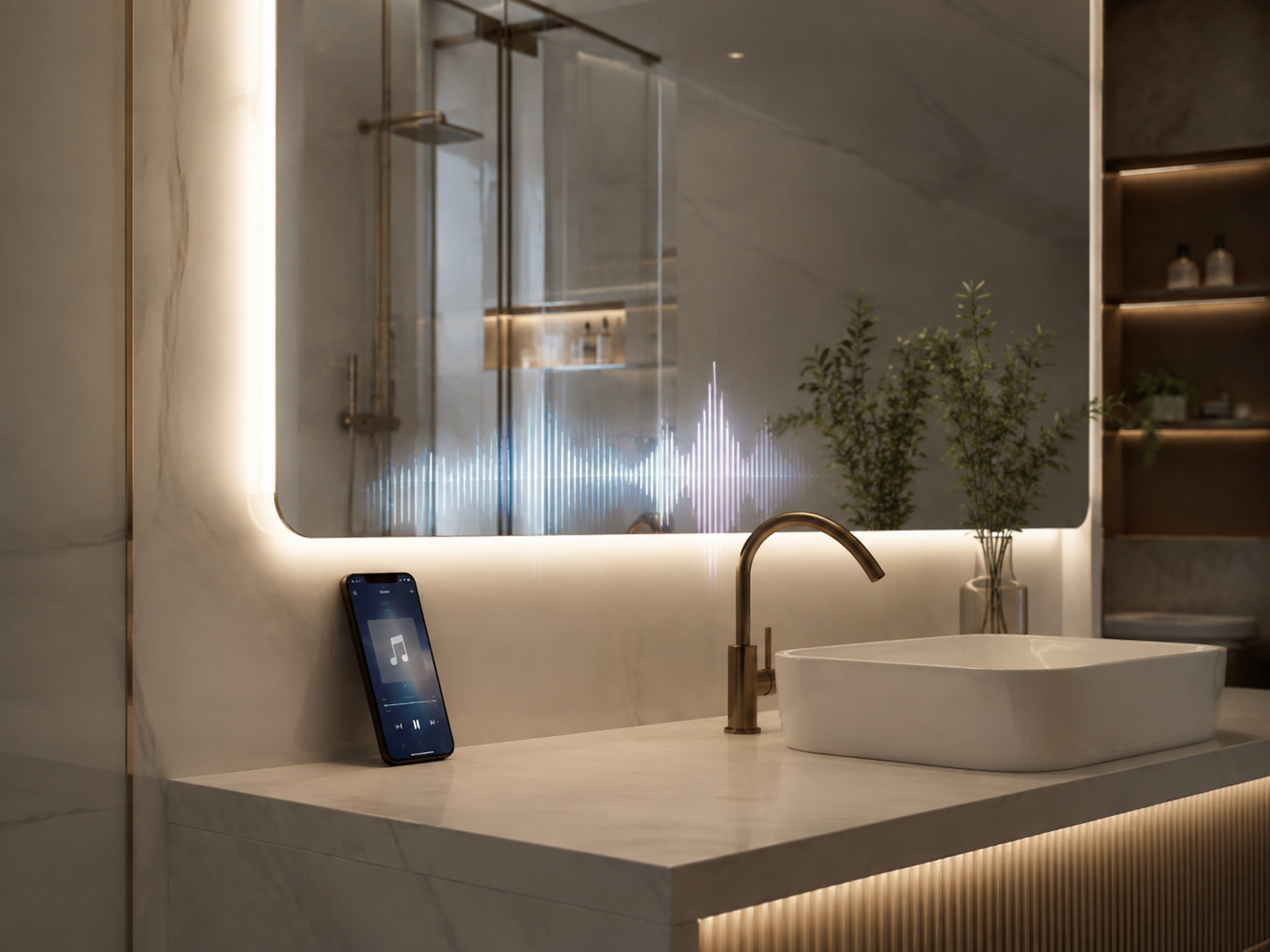
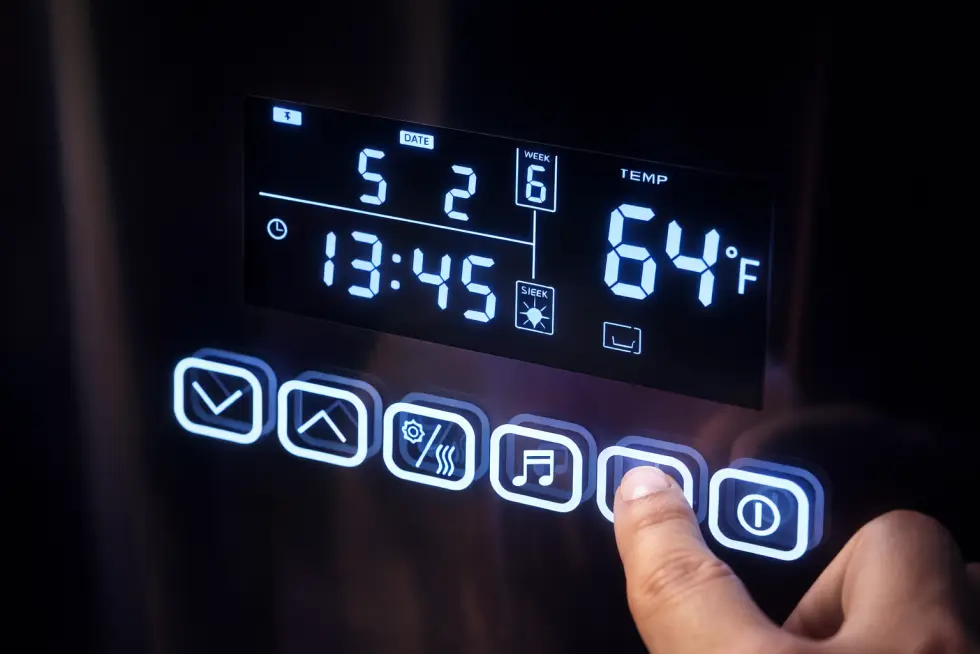
Yes. Anti-fog pads, dimming, color-temperature adjustment, touch controls and sensors can be configured according to the mirror structure and control system. The required functions should be confirmed together so the driver, wiring, button layout and electrical design remain compatible.
Which standards can LED bathroom mirrors meet?
ETL, UL, SAA, CE and RoHS requirements can be supported. The applicable documentation must be confirmed against the selected model, voltage, driver, wiring method and destination market rather than assumed to apply to every configuration.
Is there a minimum order quantity, and what are the lead times?
There is no minimum order quantity. You can start with one sample or a customized production order. Sample lead time is 5–7 days, and production lead time is 30–35 days after the specification and order details are confirmed.

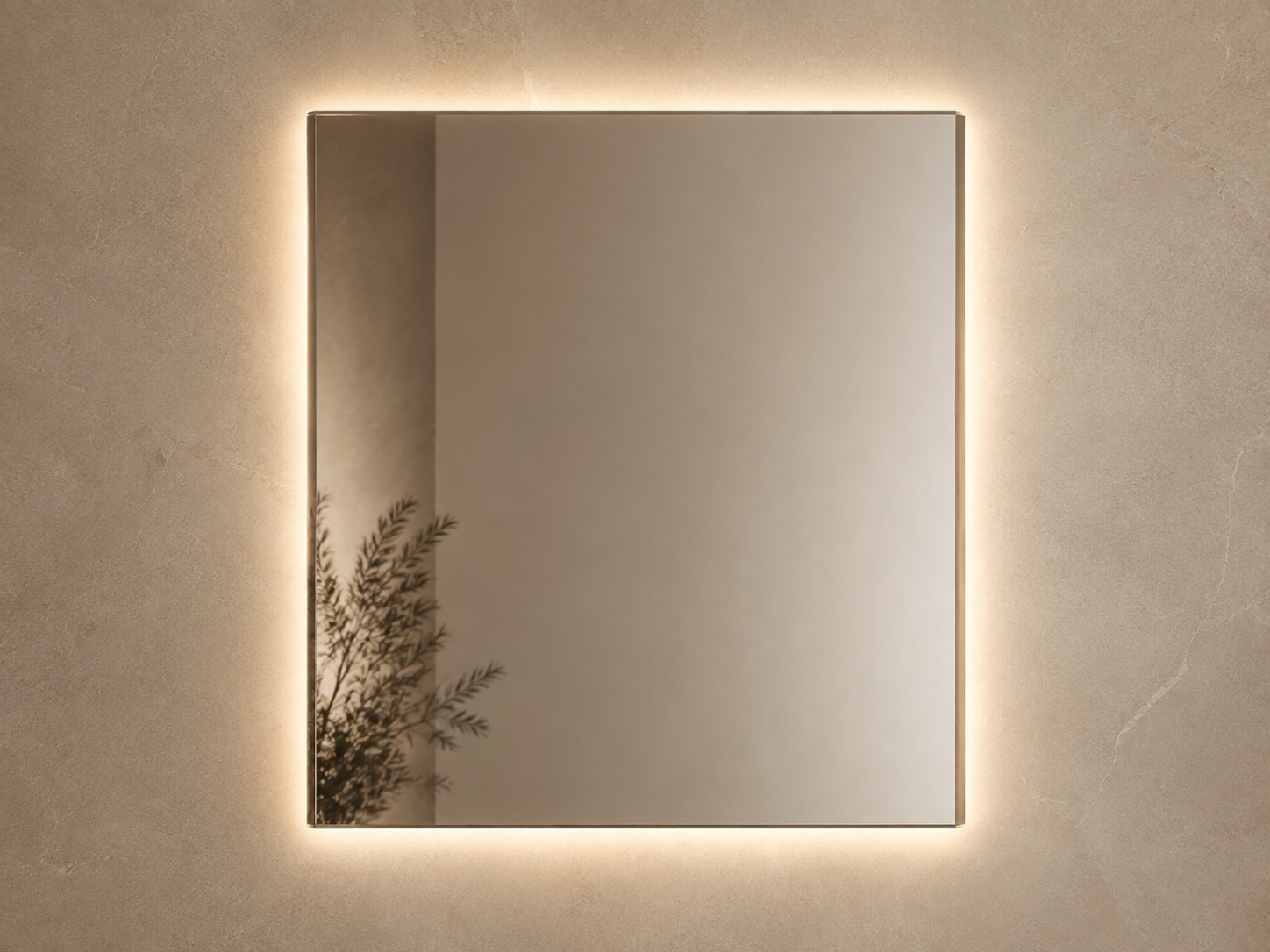
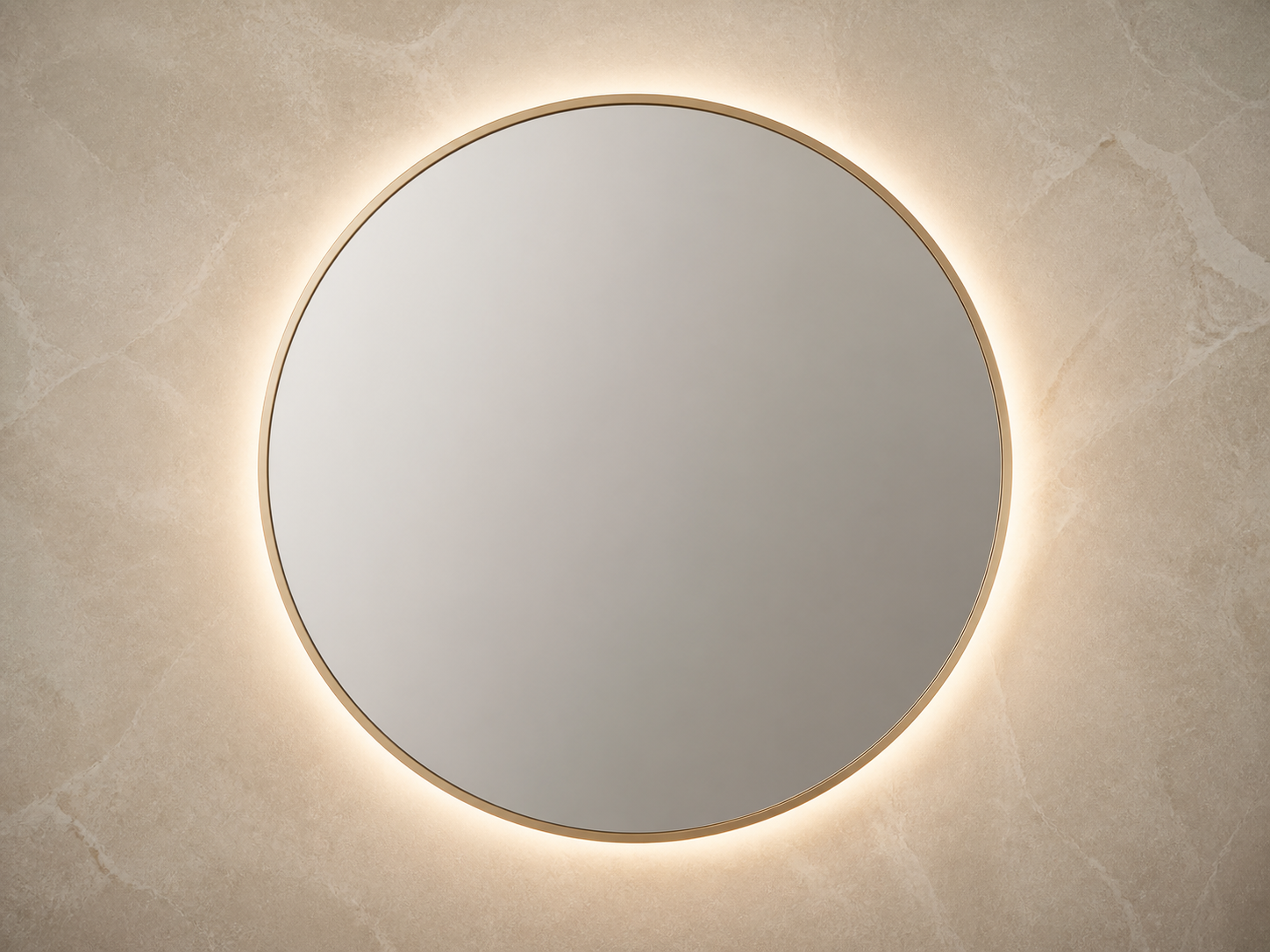
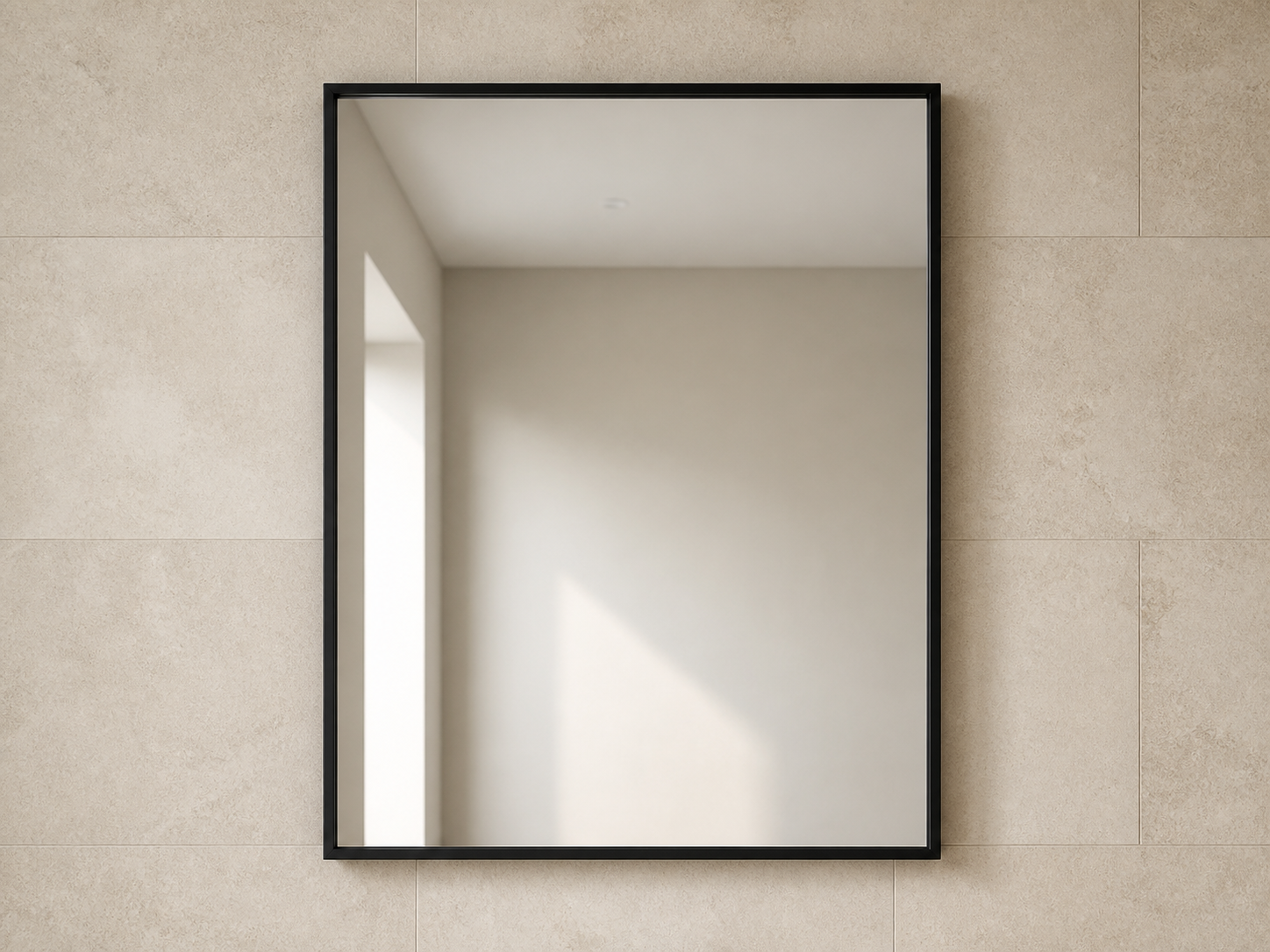
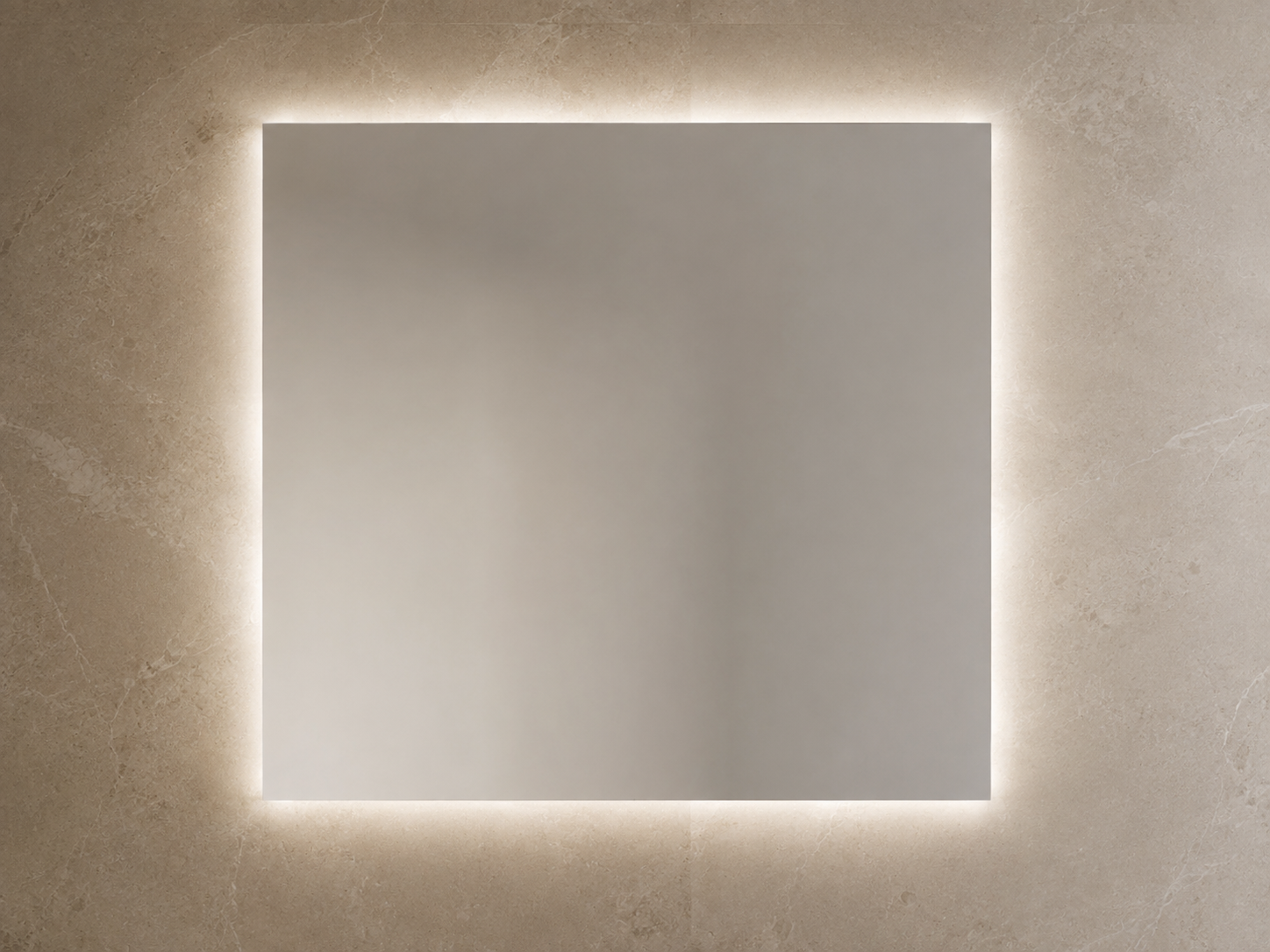
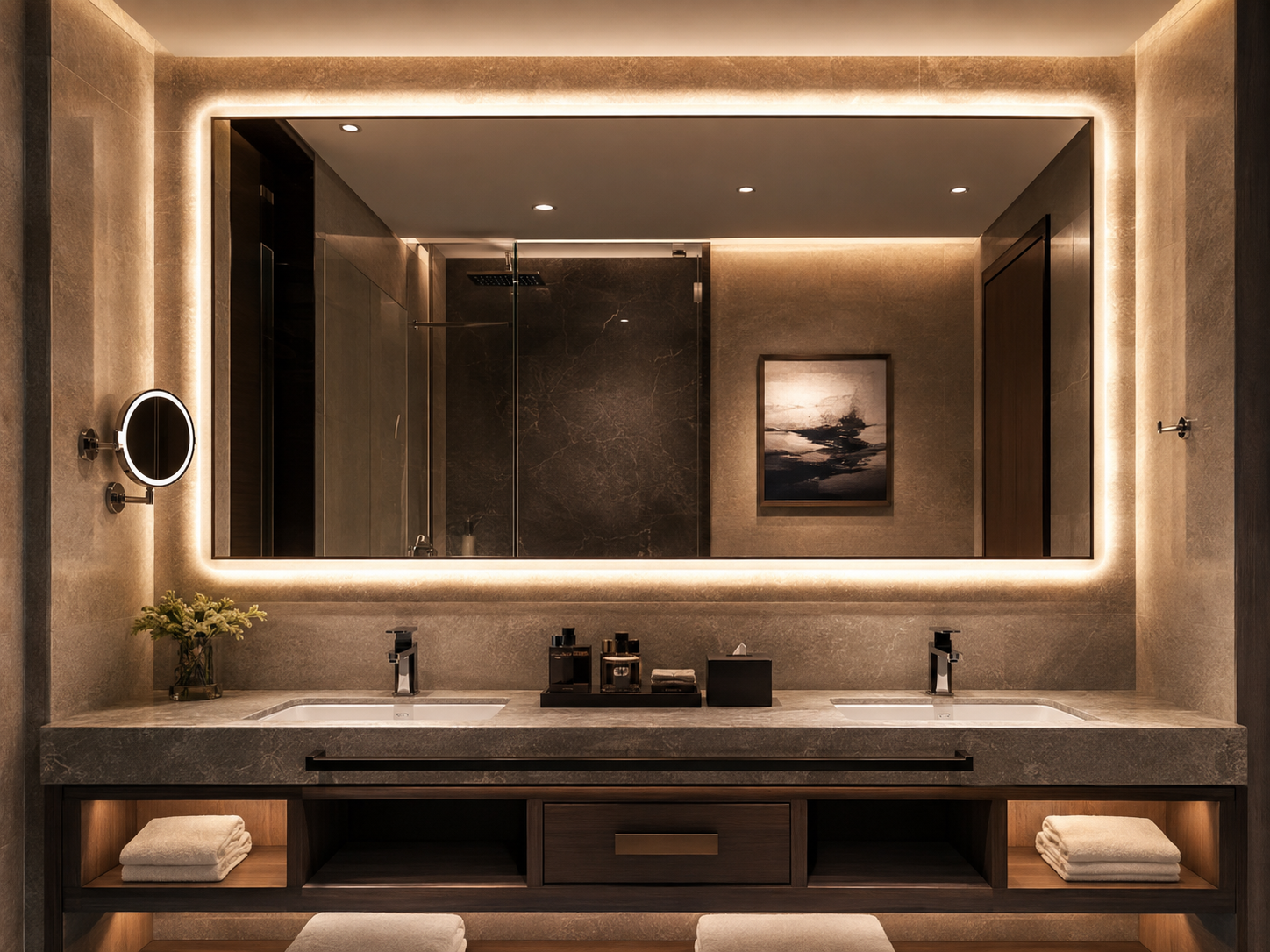
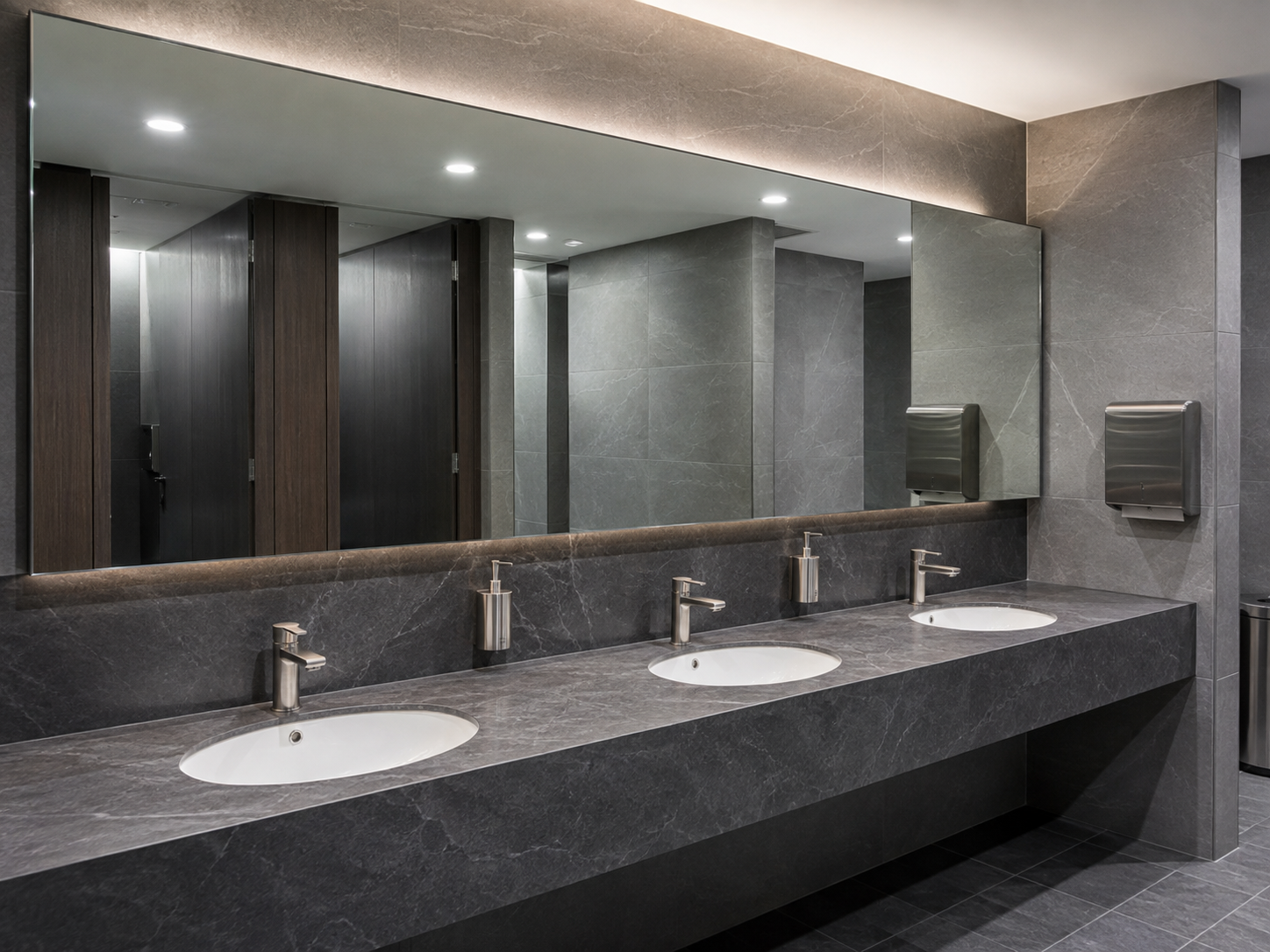
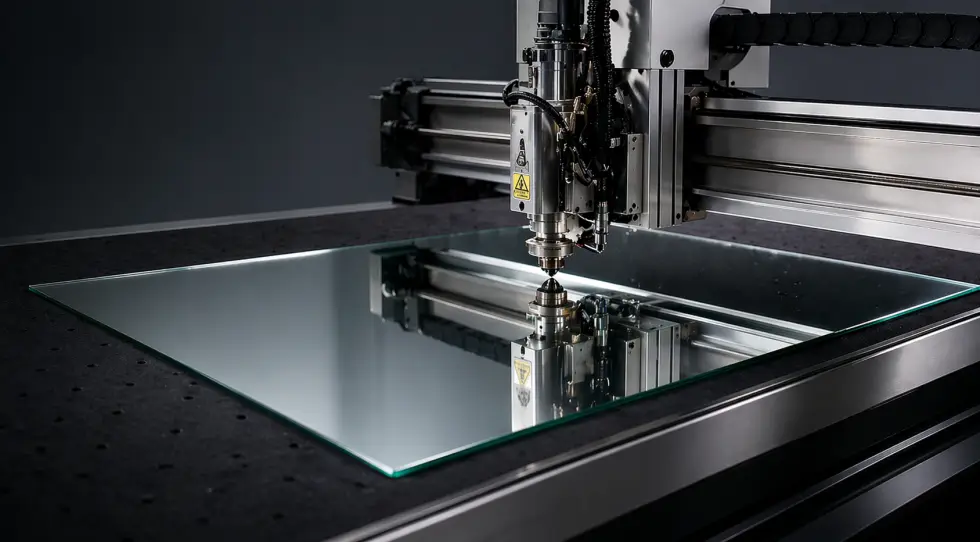 Size & Shape
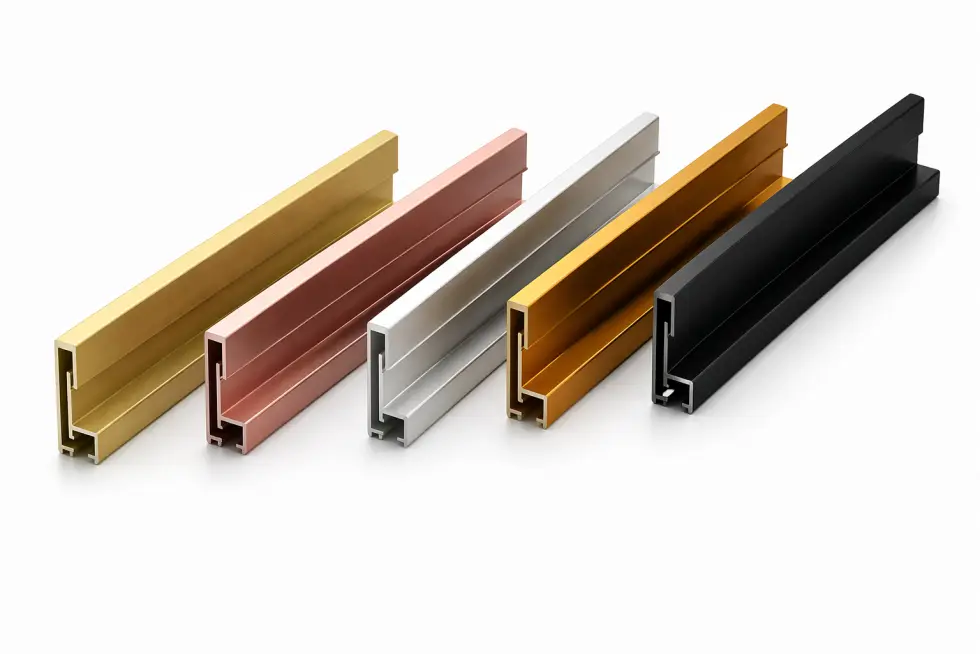 Frame & Finish
 Lighting & Functions
 Branding & Packaging